Itineraries
3-Day Tokyo Itinerary: Perfect Plan for First-Timers
By Teresa Cho
October 29, 2026
Field Notes
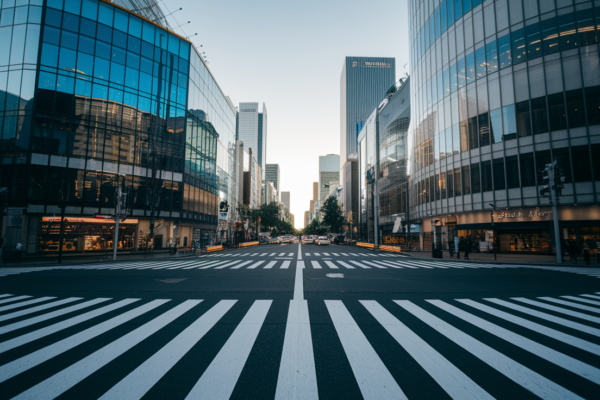
Think three days in Tokyo is too short? Think again.
You can hit shrines, neon crossings, sushi before sunrise, and a digital art show without spending half your trip on trains.
The trick is grouping nearby neighborhoods into daily loops so you walk more and transfer less.
Treat arrival day as travel, book timed-entry tickets in advance, and leave room for ramen stops or a rainy delay.
Follow this plan and first-timers will hit Tokyo’s highlights without rushing every step.
Tokyo In Three Days At A Glance: The Most Efficient Route

Three days is enough to cover Tokyo’s main contrasts, old shrines, neon crossings, sushi before sunrise, and digital art installations, without spending half your trip on trains. The trick is grouping neighborhoods geographically instead of chasing a scattered wish list across the city.
This plan treats your arrival day as travel, not sightseeing. If your flight lands in the afternoon or evening, you’ll want that first night to just get settled, find food, and sleep off the jet lag. Book four nights if you want three genuinely full days. Three nights technically works, but it’s tight. And tight doesn’t leave room for the inevitable rain delay or extra ramen stop.
| Day | Morning | Afternoon | Evening | Primary Station |
|---|---|---|---|---|
| Day 1 | Harajuku and Meiji Jingu | Shibuya | Shinjuku | Shinjuku Station |
| Day 2 | Asakusa and Senso-ji | Ueno | Akihabara | Ueno/Akihabara Station |
| Day 3 | Tsukiji Outer Market | teamLab Borderless and Ginza | Roppongi | Shimbashi/Roppongi Station |
Each day follows the same shape. Start west or east depending on the theme, work through two or three connected neighborhoods on foot or by short train hop, then end somewhere with good food and a reason to stay out late. Plan on a sightseeing window of roughly 9:00 AM to 10:00 PM, with transfers between blocks running 15 to 30 minutes by train. Wear shoes you’ve actually broken in. Build in real meal breaks, not just snack stops between attractions. And stay flexible, if Day 2 runs long because Ueno Park was packed with people, let something go rather than rushing the rest.
One booking note that matters more than almost anything else in this guide: teamLab Borderless on Day 3 requires a timed entry ticket booked in advance, and it sells out regularly. Show up without one and you likely won’t get in, full stop.
Daily spending outside of accommodation typically runs somewhere between ¥3,000 and ¥20,000 depending on how you eat and what you book. We break that down fully in the budget section later in this guide.
Picture the three days as three loops on a simple map. A western loop (Day 1) running Harajuku to Shibuya to Shinjuku, an eastern loop (Day 2) running Asakusa to Ueno to Akihabara, and a southern loop (Day 3) running Tsukiji to Ginza to Roppongi. None of these loops overlap, which is exactly why the pacing works.
How this route works: Tokyo isn’t one walkable center, it’s a cluster of neighborhood hubs connected by train. So this itinerary groups adjacent sights by day, pushes crowd heavy stops to the morning, and keeps one optional stop per day that you can cut if a queue, a timed ticket, or a packed train throws off your schedule.
Tokyo Itinerary Day 1: Harajuku, Shibuya, And Shinjuku
(((alt-img2)))
Day 1 is built around Tokyo’s modern face: shrine forest in the morning, fashion and crowds by afternoon, skyline and ramen by night. It’s a logical loop, since all three neighborhoods sit along the same train line and flow into each other on foot or with a quick hop.
9:00 AM to 12:30 PM: Meiji Jingu And Harajuku
Start at Meiji Jingu while it’s quiet. Built in 1920, the shrine sits inside roughly 70 hectares of forest, and the walk in past more than 200 donated sake barrels feels like a different city entirely. Check the etiquette section later in this guide before you go, there are a few customs worth knowing at the torii gate and the cleansing basin. From there, it’s a short walk to Takeshita Dori for youth fashion, kawaii shops, and a crepe stand or two. Give yourself 1.5 to 2 hours here. It moves slower than it looks once the crowds pick up.
1:00 PM to 5:00 PM: Shibuya Crossing And Hachiko
Walk or train over to Shibuya for the Hachiko statue and the scramble crossing itself. At peak times, somewhere between 1,000 and 2,500 people cross at once every two minutes, and it’s worth experiencing from street level before heading up for an aerial view. Miyashita Park and a depachika food hall (the basement food floors under department stores) round out the afternoon nicely for browsing or a late lunch. If you want to add Shibuya Sky to the mix, book the paid ticket in advance. It’s not a walk up attraction during busy seasons.
5:30 PM to 10:00 PM: Shinjuku Views And Dinner
Finish the day in Shinjuku with the free observation decks at the Tokyo Metropolitan Government Building’s 45th floor. Hours have historically run from 9:30 AM until somewhere around 10:00 or 11:00 PM, but confirm current closing times before you plan your evening around it. After the view, Omoide Yokocho and the ramen shops nearby make for an easy dinner. And if you’re up for more after that, Golden Gai’s 250 plus tiny bars (many seating just 5 to 10 people) are a few minutes away on foot.
Final Words
Three days will cover Tokyo’s main traditional, modern, food, and shopping highlights if you group sights by neighborhood.
Day 1: Harajuku, Meiji Jingu, Shibuya, Shinjuku. Day 2: Asakusa, Senso‑ji, Ueno, Akihabara. Day 3: Tsukiji, teamLab Borderless, Ginza, Roppongi. Plan long days (9 AM–10 PM), expect 15–30 minute transfers, and wear comfy shoes.
Don’t count arrival or departure as full days; aim for four nights. Book teamLab well ahead. This 3-day Tokyo itinerary for first-time visitors is a flexible map—drop one optional stop if you need to, and enjoy your time.
FAQ
Q: Can three full days cover Tokyo’s highlights?
A: Three full days can cover Tokyo’s main traditional, modern, culinary, and shopping highlights if you group neighborhoods geographically; expect a fast pace and prioritize key sights over trying to see everything.
Q: How should I structure a three-day Tokyo itinerary?
A: A good structure is Day 1 west (Harajuku, Meiji Jingu, Shibuya, Shinjuku), Day 2 east (Asakusa, Senso-ji, Ueno, Akihabara), Day 3 Tsukiji Outer Market, teamLab, Ginza, and Roppongi.
Q: Should arrival and departure days count as full sightseeing days?
A: Arrival and departure days shouldn’t count as full sightseeing days; plan three full days between them and aim for four nights if possible to avoid rushing and to handle luggage and jet lag.
Q: Do I need to book teamLab Borderless in advance?
A: teamLab Borderless requires advance, timed-entry booking and frequently sells out; arriving without a timed ticket usually means you won’t be admitted, so reserve your slot well beforehand.
Q: When is the best time of day to visit busy spots like Meiji Jingu or Shibuya Crossing?
A: The best time is to visit shrines like Meiji Jingu in the morning and tackle crowded areas early or late; avoid midday peaks and plan observation decks for sunset or evening views.
Q: How much walking and transfer time should I expect each day?
A: Expect neighborhood walking plus roughly 15–30 minute train transfers between blocks; plan a sightseeing window around 9:00 AM–10:00 PM, wear comfortable shoes, and build in meal and rest breaks.
Q: How much will daily spending cost excluding accommodation?
A: Daily spending typically runs from about ¥3,000 to ¥20,000 depending on travel style—budget eats and transit at the low end, restaurant meals and paid attractions at the high end.
Q: What are the primary station hubs to base each day around?
A: Primary hubs are Shinjuku for Day 1, Ueno/Akihabara for Day 2, and Shimbashi/Roppongi for Day 3; staying near one hub reduces transfers and saves time each day.
Q: Can I drop stops if I’m tired, the weather is bad, or crowds are heavy?
A: You can drop one optional stop per day; prioritize core neighborhood highlights, skip secondary attractions when transfers or queues bog you down, and keep an open, flexible plan.
Q: Do I need reservations for paid observation decks like Shibuya Sky?
A: Paid observation decks often require or recommend advance tickets—Shibuya Sky and some city viewpoints have timed slots, so book online if you want a guaranteed evening visit.