Trip Reports
Iceland Ring Road Trip Report: 10 Unforgettable Days
By Ondrej Farkas
October 29, 2026
Field Notes
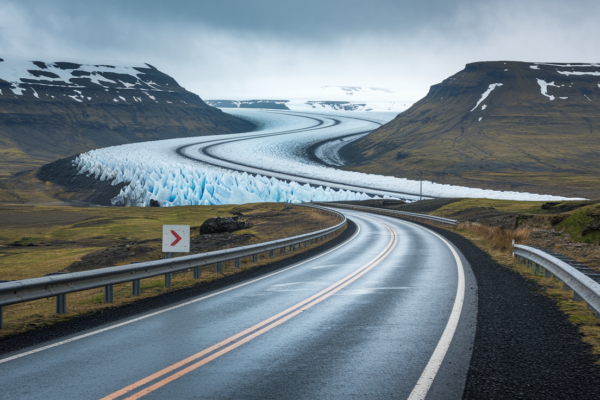
Can you really do Iceland’s Ring Road in 10 days without coming home exhausted and missing the best spots?
Short answer: yes, if you accept trade-offs.
Route 1 is 1,322 km (821 mi), and realistic sightseeing and detours push this loop closer to 1,700 to 2,000 km.
This report shows what you can hit in 10 days: the South Coast, Eastfjords, North highlights, and a taste of West Iceland, while you skip the Westfjords, Highland F-roads, and a full Snæfellsnes loop.
I’ll share daily timing, what to cut, and how to add buffer days for weather or road closures.
Quick Verdict: Is 10 Days Enough for the Ring Road?

Yes, 10 days works for the Iceland Ring Road, but only if you’re okay with a few trade-offs along the way. Route 1 itself runs 1,322 km (821 mi), looping the island on a single, mostly paved road. Add in the detours you’ll actually want to take, and this 10 day Ring Road Iceland itinerary ends up closer to 1,700 to 2,000 km once you factor in sightseeing spurs, waterfall parking lots, and the odd wrong turn down a farm road.
A realistic 10-day loop fits the South Coast, the Eastfjords, North Iceland’s highlights, and a taste of West Iceland. What gets cut is the Westfjords (too far, too slow), the Highland F-roads (closed most of the year and need a serious 4×4 anyway), and a full Snæfellsnes Peninsula loop, which honestly deserves its own day rather than a rushed afternoon detour. Realistic sightseeing expectations matter here. You won’t linger at every waterfall. Some stops become 15-minute photo breaks instead of leisurely picnics, and that’s fine if you plan for it rather than fight it.
Consider adding extra days if any of these sound like your trip:
- You want to include the Westfjords and its sea cliffs and remote fjords.
- You’re hoping for multiple glacier hikes rather than one well-chosen trail.
- You’re traveling in winter, when daylight can shrink to four or five hours.
- You want zero rushed mornings and prefer slow travel over checklist travel.
- You’re traveling with young kids who need longer rest stops and flexible timing.
Building a day-by-day checklist starts with mapping driving times honestly, then doubling your estimate for stops. We drove mid-to-late September and hit hail, rain, snow squalls, heavy wind, and a couple of road closures that forced quick rerouting. Building 1 to 2 buffer days into the 10 gave us room to absorb that chaos without blowing up the whole itinerary. It turned a trip that could’ve felt frantic into one that felt, mostly, like we were in control.
Day-by-Day Ring Road Journal: Reykjavik to Vik
(((alt-img2)))
Landing at Keflavik felt almost anticlimactic. Flat lava fields, grey sky, a short 50 km drive into Reykjavik that took under an hour. We picked up groceries, checked into our hotel, and spent the afternoon wandering. Hallgrímskirkja towers over the city and is worth the elevator ride up for the view. Harpa’s glass panels catch the light in a way photos never quite capture, and the Sun Voyager sculpture by the harbor makes a solid sunset stop before dinner on Laugavegur.
The real driving started on day two, heading toward Vik. This stretch covers about 187 km and takes 2.5 to 3.5 hours behind the wheel, but budget 4 to 6 hours total once you factor in stops. Seljalandsfoss comes first, and yes, you can walk behind the falls, though bring a rain jacket because you will get soaked. Right nearby, Gljúfrabúi hides in a narrow canyon and gets a fraction of the crowds. Skógafoss is next, a wide, thunderous curtain of water you can hike up alongside for a view from above. Then there’s the Sólheimasandur plane wreck, a 4 km round-trip walk across black volcanic sand to a rusted DC plane fuselage. Not for everyone, but a memorable stop if you’ve got the time and decent shoes.
Reynisfjara black sand beach was the stop that stuck with us most, and not just for the scenery. The basalt columns and sea stacks are striking, but sneaker waves here are no joke. These are waves that surge much farther up the beach than you’d expect, and they’ve caused real injuries and deaths. We stayed well back from the waterline and checked SafeTravel before heading out. Dyrhólaey, a short drive beyond, gives you a cliff-top view back toward Reynisdrangar’s basalt stacks, and on a clear afternoon it’s one of the best photo spots on the whole South Coast.
By the time we rolled into Vik that evening, the day felt full but not frantic. Long, yes. Rushed, not really, as long as you don’t try to squeeze in extra stops.
Vik to Skaftafell and Hofn: Glaciers and Lagoons
(((alt-img3)))
Fjaðrárgljúfur canyon was our first stop out of Vik, and it’s worth checking access before you go. The canyon walking paths sometimes close for erosion control, especially in wet shoulder-season conditions. We got lucky with open access and spent half an hour along the rim, looking down at the winding river carved through moss-covered walls.
Skaftafell, part of Vatnajökull National Park, was the highlight of the driving day. The hike to Svartifoss takes about 1.5 to 2 hours round trip and leads to a waterfall framed by dark basalt columns that look almost architectural. We stuck to this one trail rather than trying to squeeze in a glacier walk too. That’s a real mistake to avoid. Combining a long hike with a glacier tour and a boat trip in the same afternoon sounds doable on paper, but in practice you end up rushing all three and enjoying none of them fully. Vatnajökull itself, Europe’s largest ice cap by volume, dominates the horizon for most of the drive, a constant reminder of how much ice still covers this island.
Jökulsárlón Glacier Lagoon came next, and it’s every bit as striking as the photos suggest. Icebergs calved from the glacier drift slowly across the lagoon before washing out to Diamond Beach, where chunks of ice sit scattered on black sand like broken glass. We arrived midafternoon and it was busy. If you can time it for early morning or late evening instead, you’ll get better light and far fewer people in your shots.
The drive from Vik to Höfn runs about 270 km and took us close to 6 hours with all the stops. By the time we reached Höfn, we were ready to sit down, and the town delivers on that front. It’s known for l
Final Words
Driving past waterfalls, black sand, and glacial lagoons, the short verdict: yes, 10 days can cover the Ring Road, but it’s tight and weather will decide a lot.
Ten days comfortably fits the South Coast, Eastfjords, North, and main West highlights. It usually cuts the Westfjords, F-roads, and a full Snæfellsnes loop. Block 1-2 buffer days.
This Iceland Ring Road trip report 10 days notes about 1,700-2,000 km and shows that smart pacing and a couple of spare days make the route feel achievable—and memorable.
FAQ
Q: Is 10 days enough for the Ring Road?
A: Ten days is enough for the Ring Road with caveats: you can see South Coast, Eastfjords, North, and West highlights, but the trip will feel rushed without buffer days.
Q: What fits comfortably in a 10-day Ring Road and what gets cut?
A: A 10-day Ring Road comfortably covers the South Coast, Eastfjords, North Iceland highlights, and parts of West Iceland; the Westfjords, highland F‑roads, and a full Snæfellsnes loop usually get cut.
Q: How many kilometers and driving time should I expect?
A: Expect Route 1 at 1,322 km (821 mi), but with common detours total distance typically runs 1,700–2,000 km; daily driving often ranges from 2 to 6 hours depending on stops.
Q: Should I build buffer days into a 10-day plan?
A: You should build 1–2 buffer days into a 10-day plan to absorb weather delays, road closures, and sightseeing overruns; buffers make the itinerary feel achievable instead of frantic.
Q: What’s a realistic Reykjavik to Vík day plan?
A: A realistic Reykjavik-to-Vík day covers about 187 km, 2.5–3.5 hours driving plus 4–6 hours sightseeing at Seljalandsfoss, Gljúfrabúi, Skógafoss, the plane wreck, Reynisfjara, and Dyrhólaey.
Q: Is Reynisfjara safe and when is best for photos?
A: Reynisfjara is dangerous because of sneaker waves; follow SafeTravel warnings and keep distance. Best photos are early morning or late evening for softer light and fewer people.
Q: What should I expect between Vík and Höfn (Skaftafell, Jökulsárlón)?
A: The Vík-to-Höfn stretch is roughly 270 km, 4–6 hours driving with stops like Fjaðrárgljúfur (if open), Svartifoss (1.5–2 hour hike), Jökulsárlón, and Diamond Beach; don’t overload the same afternoon.
Q: Is September a good time to do the Ring Road and what weather should I expect?
A: September can work, but expect hail, rain, snow squalls, strong winds, and possible road closures; check forecasts daily and keep plans flexible for changing conditions.
Q: Who should extend their trip beyond 10 days?
A: You should extend beyond 10 days if you want to include the Westfjords, drive F‑roads, do multiple glacier hikes or boat trips, avoid rushed days, or travel with young children.
Q: What car and road precautions should I take?
A: A sturdy car is recommended for the Ring Road; avoid F‑roads unless you have a proper 4×4 and experience. Always check road.is and safetravel.is for closures and drive for conditions.