How-To
Best Time to Visit Patagonia for Epic Hikes
By Maren Solvik
October 29, 2026
Field Notes
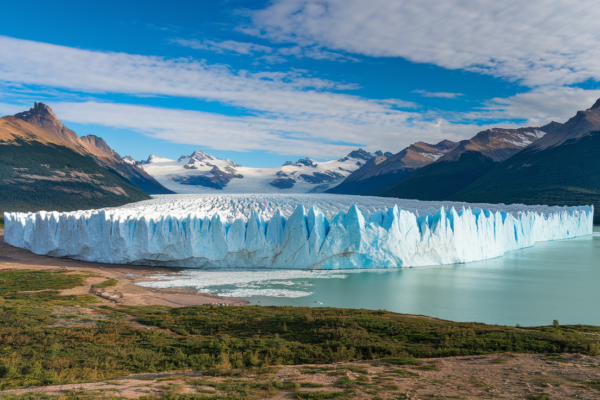
Think summer is the only time to hike Patagonia? Not quite.
For hiking and glacier trips, December through February is your best bet: widest trail access, the longest daylight, and the most reliable glacier excursions.
January alone averages about 16 hours of light and daytime temps in the 60s°F, so you can hike farther and book glacier walks with fewer cancellations.
Strong winds are still a given.
If you want fewer crowds with similar access, aim for March; avoid April–October for classic multi-day trekking.
The Clear Verdict on When to Hike Patagonia and See Its Glaciers

December through February is your best bet if you’re building a trip around hiking and glaciers. These three months give you the widest trail access across both Chilean and Argentine Patagonia, the longest daylight hours of the year, and the most reliable window for glacier excursions, whether that means boardwalk viewing or a guided walk on the ice itself. January alone averages roughly 16 hours of daylight, with daytime temperatures commonly sitting in the 60s°F. Strong winds are still part of the deal, even in peak summer, so don’t read “best” as “calm.”
March is the strongest compromise between access and crowds. Trails are still generally walkable, the light turns gold and red across the beech forests, and you’ll share the paths with far fewer people. November works as the quieter spring alternative, though snow can still be sitting on higher routes, which matters if your plan includes anything above treeline.
| Travel Window | Best For | Typical Conditions | Main Advantage | Main Drawback |
|---|---|---|---|---|
| December | First-time visitors wanting reliability | Long days, upper 50s to low 70s°F | Long daylight and broad trail access | Prices and demand climbing fast |
| January–February | Trekkers set on the W Trek, O Circuit, or Fitz Roy | 60s°F, persistent winds | Peak route availability | Highest demand of the year |
| March | Travelers who want fewer crowds without rolling the dice | 50s°F, autumn colour | Reliable access, fewer visitors | Shortening days as autumn deepens |
| November | Spring travelers comfortable with some snow | High 50s°F, wildflowers | Quiet trails, reopened services | Snow can linger on higher routes |
| April–October | Not recommended for classic multi-day trekking | Short, cold days, heavy snowfall | Lowest prices where services remain open | Widespread closures and reduced access |
For booking strategy and how far ahead to reserve, check the reservations section further down.
If you’re combining the W Trek, Fitz Roy, and Perito Moreno Glacier into one trip, pick December for the most reliable conditions across all three. Or go early March if you’d rather trade a bit of daylight for noticeably thinner crowds.
Patagonia Hiking and Glacier Conditions Month by Month
(((alt-img2)))
Patagonia isn’t one climate. The Andes, the open steppe, the Atlantic coast, and Tierra del Fuego each run on their own weather patterns, sometimes on the same day. So treat the numbers below as planning ranges, not guarantees. We’ve seen sun turn to sleet in the time it takes to eat lunch.
| Month | Typical Temperature Pattern | Daylight and Weather | Trail Access | Glacier Conditions |
|---|---|---|---|---|
| January | 60s°F daytime | About 16 hours daylight, rain and sleet possible | Full access across both countries | Reliable viewing and excursion access |
| February | Similar to January | Long days, persistent strong winds | Full access, busiest month | Reliable, high operator capacity |
| March | 50s°F daytime | Shortening days, autumn colour arriving | Generally good, fewer people on trail | Good, services still running at full tilt |
| April | Cooling fast | Freezing rain risk increases | Deteriorating at higher elevation | Access starting to narrow |
| May | Cold, variable | Snow becomes more likely | Reduced, high passes risky | Limited excursion schedules |
| June | 20s–40s°F | Short days, icy roads | Mountain pass closures common | Severely limited |
| July | 20s–40s°F | Deep winter, heaviest snowpack | Most multi-day routes closed | Viewpoints may remain open where accessible |
| August | 20s–40s°F | Still icy, limited services | Closures persist | Limited, weather-dependent |
| September | Highs in 60s°F, lows in 30s°F |