Destinations
Japan Tipping Culture: Smart Etiquette Tips for Tourists
By Teresa Cho
October 20, 2026
Field Notes
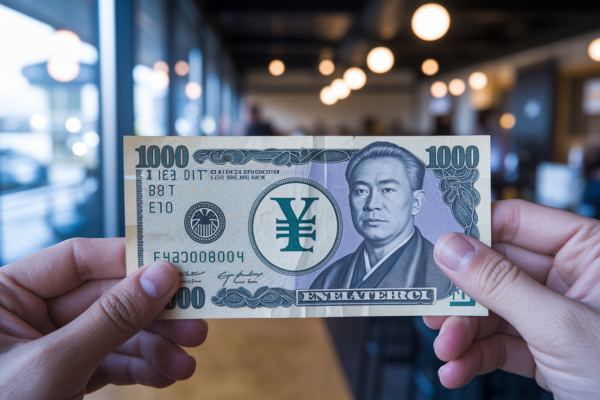
Think tipping in Japan will buy you better service?
Not usually.
Tipping isn’t expected and often causes awkwardness.
Good service is built into the price.
Pay the bill, say a sincere thanks, and move on.
There are narrow exceptions, like some high-end ryokans or private guides, so check before you assume.
This guide explains when to skip the tip, when to consider it, and simple local phrases and gestures that mean more than cash.
The Short Answer: Tourists Usually Should Not Tip in Japan

Tipping isn’t expected in Japan, and it’s not illegal either, but you should still skip it. If someone hands your money back, just take it. Don’t argue, don’t push it, and definitely don’t try to sneak cash into a pocket or bag. That’s pretty much the whole rule, and it covers nearly every situation you’ll run into as a visitor.
When you’re not sure what to do, leave the extra cash in your wallet. Japan’s service culture just doesn’t run on gratuities the way the US or parts of Europe do. So here’s what tipping for tourists really comes down to: pay what’s billed, say thanks, and move on. If a specific provider tells you something different, treat that as the exception, not the rule.
| Situation | Is a Tip Expected? | Basic Tourist Action |
|---|---|---|
| Restaurants | No | Pay the stated total |
| Izakayas and bars | No | Pay the bill, including any seating charge |
| Standard hotels | No | Pay the room rate and listed fees |
| Luxury ryokans | May be accepted in limited circumstances | See the detailed ryokan guidance |
| Taxis and ride-share | No | Pay the metered or quoted fare |
| Group tours | Usually no | Follow the operator’s stated terms |
| Private guides | May be accepted in limited circumstances | Check the guide’s policy beforehand |
| Spas and salons | No | Pay the listed service price |
| Delivery drivers | No | Pay the order total only |
| Retail or convenience stores | No | Pay the price on the receipt |
There’s no magic yen amount waiting behind any of these everyday services. Pay what’s on the bill, thank the person, and skip the extra cash just because it feels normal back home. And if someone hands your money back, take it. That’s the end of it, not a cue to try again.
Why Tipping Is Uncommon in Japanese Service Culture
(((alt-img2)))
Japanese service culture runs on something called omotenashi, attentive hospitality given without expecting anything extra in return. Good service isn’t an upgrade you pay more for here. It’s already baked into the price, whether you’re buying a bowl of ramen or booking a night at a hotel. A waiter refills your water without being asked. A shop clerk wraps your purchase with care. A train conductor bows before leaving the car. None of that is angling for a tip. It’s just the job, done right.
This is part of why handing someone extra cash can feel awkward instead of generous. An unsolicited tip can come across as putting a price tag on ordinary courtesy, and that’s not how the relationship works here. Some workers will assume you simply forgot your change and chase you down the street to return it. That reaction holds up pretty consistently whether you’re in Tokyo, Osaka, Kyoto, or a small town two hours from anywhere. The custom doesn’t really bend based on how urban or rural the setting is.
Worth clearing up a myth here: tipping isn’t illegal in Japan. There’s no law against it. The issue is social context, not legislation. Individual businesses can set their own policies, which is why you’ll occasionally see service charges at upscale restaurants or exceptions made by certain guides. But those are provider decisions, not loopholes in some unwritten ban.
Travelers who want to show respect tend to follow local expectations instead of bringing their home country’s payment habits along for the ride. That’s really the throughline here.
Tipping Etiquette at Japanese Restaurants, Bars, and Shops
(((alt-img3)))
Across casual eateries, sushi counters, and formal ryotei, the rule stays simple: pay exactly what’s on the bill. No extra bills folded under a plate, no rounding up for the chef. What changes from place to place isn’t whether you tip, it’s what’s already built into that total, whether that’s a straightforward menu price, a small cover charge, or a service fee added at fancier spots.
Restaurants and Sushi Counters
Pay the exact amount on your check, full stop. Leaving cash on the table, even with good intentions, tends to confuse staff more than flatter them. At a sushi counter, don’t try to slip something to the chef directly. If you want to show you enjoyed the meal, a slight bow and a sincere “Gochisousama deshita” (thank you for the meal) goes further than any yen you could leave behind.
Izakayas, Bars, and Nightlife
Many izakayas add an otoshi or tsukidashi, a small appetizer plate served automatically once you sit down, with a charge attached. That’s not a tip. Think of it more like a seating fee, similar to bread service at a Western restaurant except you’re actually paying for it. Bartenders generally don’t expect gratuities either. One thing worth flagging: some nightlife venues, especially in entertainment districts, tack on fees that aren’t always obvious upfront. Check your bill closely before assuming an unfamiliar charge is some kind of voluntary tip.
Upscale Dining and Service Charges
Higher-end restaurants sometimes add a service charge directly to the bill, usually somewhere between 10 and 15 percent. That’s already cov
Final Words
Tipping is generally neither expected nor advisable in Japan; it’s not illegal, and tourists should accept a refusal immediately.
This guide ran through why tipping is uncommon (omotenashi), dining and shop rules, hotel versus ryokan practices, taxis and guides, alternatives to cash, and a quick checklist for unclear situations.
When unsure, pay the stated total, say “arigatou,” and don’t leave extra cash. Understanding Japan tipping culture and etiquette for tourists will keep interactions smooth, respectful, and less awkward — so you can enjoy the trip.
FAQ
Q: Do they have tipping culture in Japan?
A: Japan generally does not have a tipping culture; tipping is neither expected nor advisable, it is not illegal, and tourists should accept a refusal without argument.
Q: What is the Japanese 1-3 rule for food?
A: The Japanese 1-3 rule for food isn’t a widely recognized national custom; it likely refers to a local or specific practice—please clarify the context for a precise explanation.
Q: What are some important etiquette tips for travel?
A: Important etiquette tips for travel in Japan are pay the stated total, avoid tipping, say “arigatou” or “gochisousama,” remove shoes indoors, be punctual, and stay quiet on public transport.
Q: What is the 5-minute rule in Japan?
A: The 5-minute rule in Japan usually means arrive about five minutes early; punctuality is expected for trains, appointments, and tours. If you meant a different rule, please specify.