Destinations
Bali Temple Etiquette: Respectful Tips for Tourists
By Ondrej Farkas
November 20, 2026
Field Notes
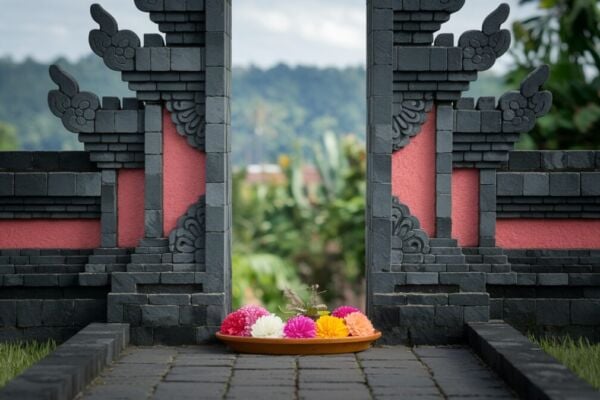
Think Bali temples are just scenic backdrops for selfies?
Many visitors treat them like tourist stages, and local guides and etiquette sources warn that approach can upset worshippers or disrupt ceremonies.
This short guide lays out the specific rules to follow before you step inside: how to dress (sarong and sash), where to walk, when to silence your phone, and how to ask before photographing people.
Follow these practical tips and you’ll avoid awkward moments, show proper respect, and have a calmer, clearer visit.
Essential Rules for a Respectful Bali Temple Visit

Before you set foot in any Balinese temple, it helps to have the rules straight in your head, not pieced together on the spot. Bali temple etiquette for tourists isn’t complicated, but it is specific, and getting it right matters more than most visitors expect. This checklist works as your quick reference for the rest of this guide, so you can come back to it whenever a section below points you here.
Here’s what to keep in mind before you cross any temple threshold.
- Wear a sarong and sash, with legs covered below the knees.
- Cover your shoulders and back, regardless of heat or personal style.
- Remove footwear wherever signs, shoe racks, or attendants indicate.
- Keep your voice low and silence your phone before entering.
- Walk around canang sari and incense rather than stepping over or moving them.
- Avoid pointing your feet towards shrines or sacred objects, especially when seated.
- Stay within visitor accessible courtyards and obey ropes, signs, and attendant instructions.
- Ask before photographing worshippers, ceremonies, or priests, even from a distance.
- Don’t climb, touch, or sit on sacred structures, statues, walls, or trees.
- Observe ceremonies from the back, without blocking worshippers or processional paths.
This list covers the basics, but it’s not the final word at every site. Posted instructions and directions from temple attendants always take priority over general advice like this, because protocols shift by temple, by courtyard, and by whatever ceremony happens to be underway that day.
Understanding Temple Dress, Sarongs, and Sashes
(((alt-img2)))
The checklist above covers the core requirement. Sarong, sash, covered shoulders. This section goes a layer deeper, explaining how these garments actually work, why they matter culturally, and how to choose practical versions for Bali’s climate. If you’re after the baseline rule itself, that’s covered above. Here, we’re focused on fit, fabric, and logistics.
Balinese temple rules and dress etiquette (source) apply the same modesty standard to the knees, shoulders, and back across most sites, though enforcement can vary.
Fitting a Sarong and Selendang
A sarong wraps around the waist and falls to the ankle or lower shin, with the excess fabric folded and tucked so it stays put while you walk, climb steps, or sit on the ground. Reports describe practical sarong dimensions as at least 100 to 120 cm long and 70 to 80 cm wide, enough to wrap fully around most body types without gaping.
The selendang, or sash, ties around the waist on top of the sarong. It’s typically 8 to 12 cm wide and roughly 1 to 2 meters long, tied in a simple knot or bow at the front or side. Its job isn’t really about covering skin. It’s about marking a visible boundary of respect at the waistline.
Temple provided garments are commonly one size fits most, so don’t expect a tailored fit. Check that both pieces stay snug before you move further into the complex. Loose sarongs that slip or sashes that come undone mid walk are a common, easily avoided distraction.
Choosing Clothing for Tropical Conditions
A plain T-shirt, a light overshirt, or a scarf draped over the shoulders can meet coverage expectations without trapping heat. Breathable cotton or linen works better than synthetic fabrics in Bali’s humidity. Long, loose trousers underneath a sarong are also common and comfortable.
Worth repeating, the same modesty standard applies to everyone, and adding a sarong over a bikini, crop top, or tank top doesn’t make the outfit suitable. Coverage needs to extend to the shoulders and back, not just the legs.
Rentals and Practical Footwear
Most temple entrances or nearby stalls rent sarong and sash sets, often bundled together for one fee. Reported rental costs fall around IDR 10,000 to 50,000, though this varies by site and should be confirmed locally rather than assumed.
Sandals or slip on shoes are the practical choice, since you’ll likely hit a point where shoes come off entirely. For where exactly that happens, the access section below and the essential checklist both point to the same rule. Site specific signs and attendants decide.
Entering, Moving Through, and Leaving Sacred Temple Zones
(((alt-img3)))
Temple access isn’t a single gate you walk through once. It’s a sequence, and understanding that sequence helps you move with confidence instead of guessing at every turn.
Before you reach the entrance, check that your dress meets requirements, confirm your ticket or entry arrangement, and look for any ceremony notices posted near the gate. Footwear instructions often appear here too, along with temporary access restrictions that can change daily depending on what’s happening inside. This is the moment to settle your sash and make sure everything stays in place before you go further.
Many temples use split gates, known as candi bentar, where the structure forms two mirrored halves with a central gap or stairway between them. That central space is often reserved for deities or priests, so the convention is to use a side passage instead. That said, local signage or an attendant’s direction always overrides this general rule. If someone waves you toward the center, follow them. If there’s no guidance at all, default to the side.
Once inside, you’ll notice temples commonly progress through zones, moving from the more open jaba sisi or jaba tengah, the outer courtyards, toward the jeroan or jero, the inner sanctum. This isn’t arbitrary architecture. It reflects a
Final Words
Entering a temple means following a few clear rules: wear a sarong and sash, cover shoulders and knees, remove shoes where asked, keep voices low, avoid touching offerings, and stay behind ropes or attendants.
This post gave a compact checklist, explained sarong fitting and tropical clothing, walked through moving through sacred zones, and covered photography, ceremonies, and site-specific cautions.
Confirm posted instructions on arrival and ask an attendant when unsure. Bali temple etiquette for tourists varies by site and ceremony — follow the basics and your visit can be respectful and rewarding.
FAQ
Q: How many temples are in Bali?
A: The number of temples in Bali varies; an exact island-wide count isn’t fixed, but major complexes like Besakih contain 23 principal temples.
Q: What to be careful of when visiting Bali?
A: When visiting Bali, be careful to follow temple dress and conduct rules, secure valuables (especially near monkeys), check tide and ceremony closures, avoid touching offerings, and obey signs or attendants.
Q: What are some popular Balinese rituals?
A: Popular Balinese rituals include daily canang sari offerings (small palm-leaf trays with flowers and rice), tirta holy-water blessings, odalan temple festivals, the Galungan and Nyepi cycles, and the Kecak dance.
Q: What are the do’s and don’ts when visiting a Buddhist temple?
A: The do’s and don’ts when visiting a Buddhist temple are to dress modestly and remove shoes where required, keep voices low, avoid pointing feet or touching heads or statues, ask before photographing, and obey attendants.