Gear and Kits
Packing List for International Travel: Essential Checklist
By Teresa Cho
November 25, 2026
Field Notes
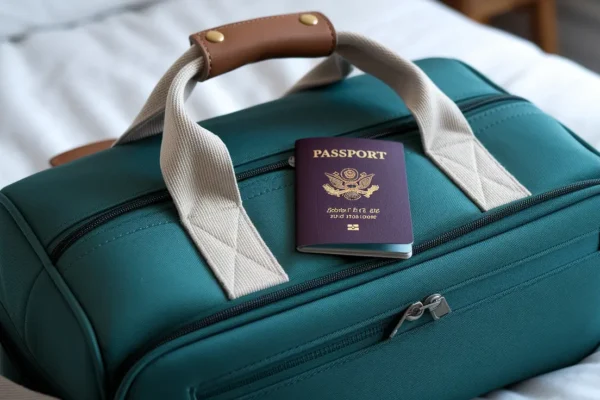
Think one packing list fits every international trip? Think again.
This essential checklist focuses on the things that cause real trouble at borders and in transit: passport and visa paperwork, prescription meds, payment backups, chargers and adapters, and a carry-on change of clothes.
It’s built to be flexible. Adjust quantities and optional gear for climate, activities, trip length, and the specific airline’s rules.
Use the printable master list, the compact phone checklist, or the 10-item carry-on card to stop guessing and make packing fast and reliable.
International Travel Essentials: The Complete Pre-Departure Checklist
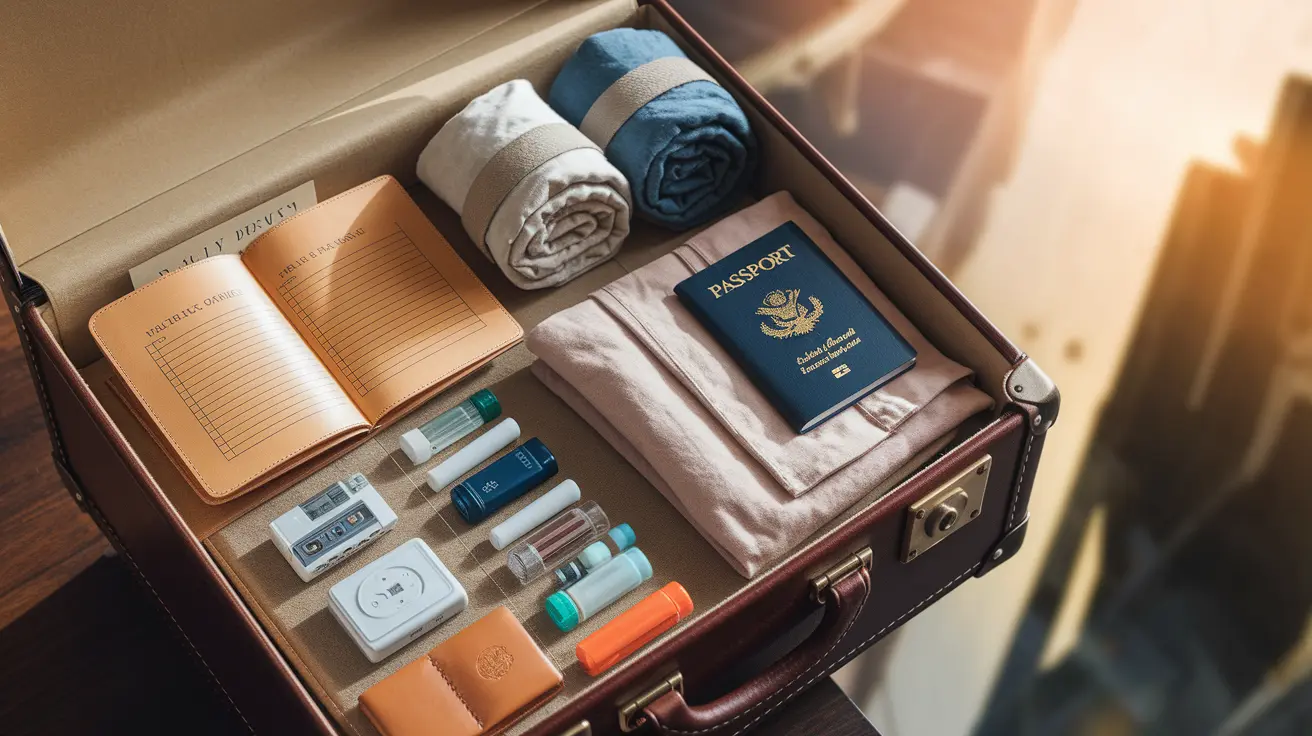
This master checklist pulls together what matters for an international trip, from paperwork to power banks, so you can see the full shape of your packing job in one place. But treat it as a starting point, not a script.
Quantities and optional items should shift based on your destination, climate, itinerary, trip length, planned activities, cultural expectations, and the specific airline you’re flying. A two-week trip to a cold-weather capital with layovers in three countries needs a very different list than a five-day beach trip with a direct flight. Adjust accordingly.
- Passport, visas, arrival forms, tickets, and insurance information
- Payment cards, backup payment access, and arrival cash
- Clothing, underwear, sleepwear, outer layers, and footwear
- Toiletries and personal-care products
- Prescription medication, health documents, and first-aid supplies
- Phone, chargers, adapters, batteries, and other electronics
- Long-haul comfort, hydration, and sleep items
- Reservations, offline navigation, and emergency information
- Packing organisers, luggage identification, and security accessories
- Destination-specific, cultural, formal, or activity equipment
To make this usable instead of just readable, three formats are attached here directly.
- A printable A4/US Letter master checklist organised by category, with columns for quantity, baggage location, prepared status, and packed status. Print it, clip it to a fridge, or stash it in a travel folder.
- A compact mobile checklist with expandable category headings and tap-friendly checkboxes, built for checking items off from your phone while you pack.
- A condensed 10-item carry-on card covering travel documents, wallet, phone, charger, power bank, medication, valuables, one clothing change, comfort supplies, and insurance or emergency details. Keep this one in your pocket on travel day.
This master list gives you the overview. The category sections that follow walk through actual selection guidance, quantities, restrictions, and exceptions, the stuff that turns a checklist into a packed bag. As you work through each item, label it as worn or carried personally, packed in cabin baggage, or packed in checked baggage. We’ll get into how to make those calls later, no need to overthink it yet.
Pros, Cons, and Baggage Strategies for Minimalist International Travel
(((alt-img2)))
Minimalist packing means choosing versatile essentials over bulk, not stripping out anything you actually need for documentation, health, safety, or destination-specific activities. Packing light is a skill. Packing recklessly light is a risk. Keep that distinction in mind as you read through the trade-offs below.
One more thing before the comparisons: airline-specific allowances always override the general examples in this article. A budget carrier on a regional route and a full-service international airline on a long-haul route can have wildly different rules for the same traveler. Confirm with your airline before you commit to a strategy.
| Advantages | Limitations |
|---|---|
| Easier airport transfers | Less flexibility when weather changes |
| Lower risk of excess baggage charges | Reliance on laundry access |
| Faster packing and unpacking | Limited formal or specialist clothing |
| Better luggage mobility | Restricted space for souvenirs |
| Simpler item tracking | Fewer backups after spills or delays |
| Carry-on potential, skip baggage claim entirely | Strict liquid, size, and cabin-weight limits apply |
| Packing Method | Best For | Main Benefits | Main Drawbacks |
|---|---|---|---|
| Carry-on only | Short trips, frequent flyers, laundry access | No baggage claim wait, no lost luggage risk, lower fees | Tight liquid limits, no space for bulky or formal items |
| Checked luggage | Longer trips, cold climates, families | Room for layers, gifts, and specialist gear | Bag fees, loss risk, slower airport exit |
| Hybrid carry-on and checked bag | Multi-stop trips, mixed climates | Backup access if checked bag is delayed | More to track, more to carry through transfers |
A handful of factors should drive your choice more than brand preference or packing trends.
- Trip duration
- Laundry availability
- Climate changes
- Specialist equipment
- Airport transfers, stairs, and walking distances
- Fare-specific baggage allowance
- Need for souvenir or shopping space
Common cabin examples circulating among airlines are around 22 x 14 x 9 inches and 7 to 10 kg or 15 to 22 lb, while many international economy checked-bag examples land around 23 kg or 50 lb. These are reference points, not guarantees. Actual allowances depend on the airline, aircraft, route, and fare class, so check your specific booking before you build a packing plan around any of these numbers.
Whatever strategy you land on, documents, medication, required medical equipment, and destination-specific safety gear should never be removed just to hit a minimalist target. A packing cube that saves two inches of space isn’t worth leaving your prescription behind.
On the gear question, backpacks suit travelers who face
Final Words
Use the master checklist and its three formats to plan and pack: documents, clothing, toiletries, medication, electronics, money, and safety gear. Start with the A4/US Letter master for a full view, use the mobile checklist for edits on the go, and keep the condensed carry-on card for flight essentials.
Adjust quantities and optional items for destination, climate, itinerary, trip length, planned activities, cultural expectations, and airline rules.
Treat this packing list for international travel as a repeatable template you can tweak per route. Ready, steady, go—travel with less last-minute stress and more confidence.
FAQ
Q: What is the 3-3-3 rule for travel?
A: The 3-3-3 rule for travel is a compact-packing guideline recommending three days’ worth of core clothing, three pairs of underwear/socks, and three outfit combinations—adjust for trip length, activities, and laundry options.
Q: What are the 5 biggest packing mistakes to avoid?
A: The five biggest packing mistakes to avoid are overpacking, ignoring airline size/weight rules, forgetting documents/chargers/medication, poor organisation (no list or organisers), and failing to plan for laundry or weather changes.
Q: What is the 5 4 3 2 1 rule for packing?
A: The 5‑4‑3‑2‑1 rule for packing is a simple wardrobe formula: five tops, four bottoms, three underwear/sock sets, two pairs of shoes, and one outer layer—adapt quantities for laundry access and planned activities.
Q: What is the most forgotten item when packing for vacation?
A: The most forgotten item when packing for vacation is the phone charger or charging cable; passports, prescriptions, and power adapters are also commonly left behind, so check chargers and essentials early on the list.