Gear and Kits
Packing List for Vacation: Your Stress-Free Checklist
By Ondrej Farkas
November 25, 2026
Field Notes
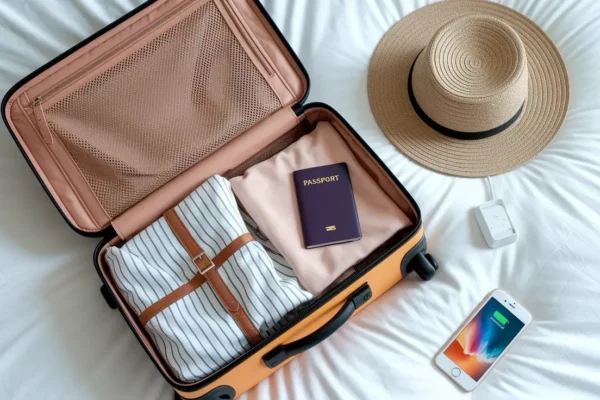
Most packing lists make travel harder, not easier.
This checklist strips packing down to the decisions that matter: documents, clothing, meds, electronics, and what must stay in your carry-on.
Treat it as a skeleton you trim for destination, weather, trip length, and access to laundry.
Follow the placement tips for valuables and liquids, and you’ll be set for delays, security checks, and the first 48 to 72 hours if luggage is delayed.
Simple, practical, and decision-focused. Pack once and leave the guesswork behind.
Essential Items at a Glance
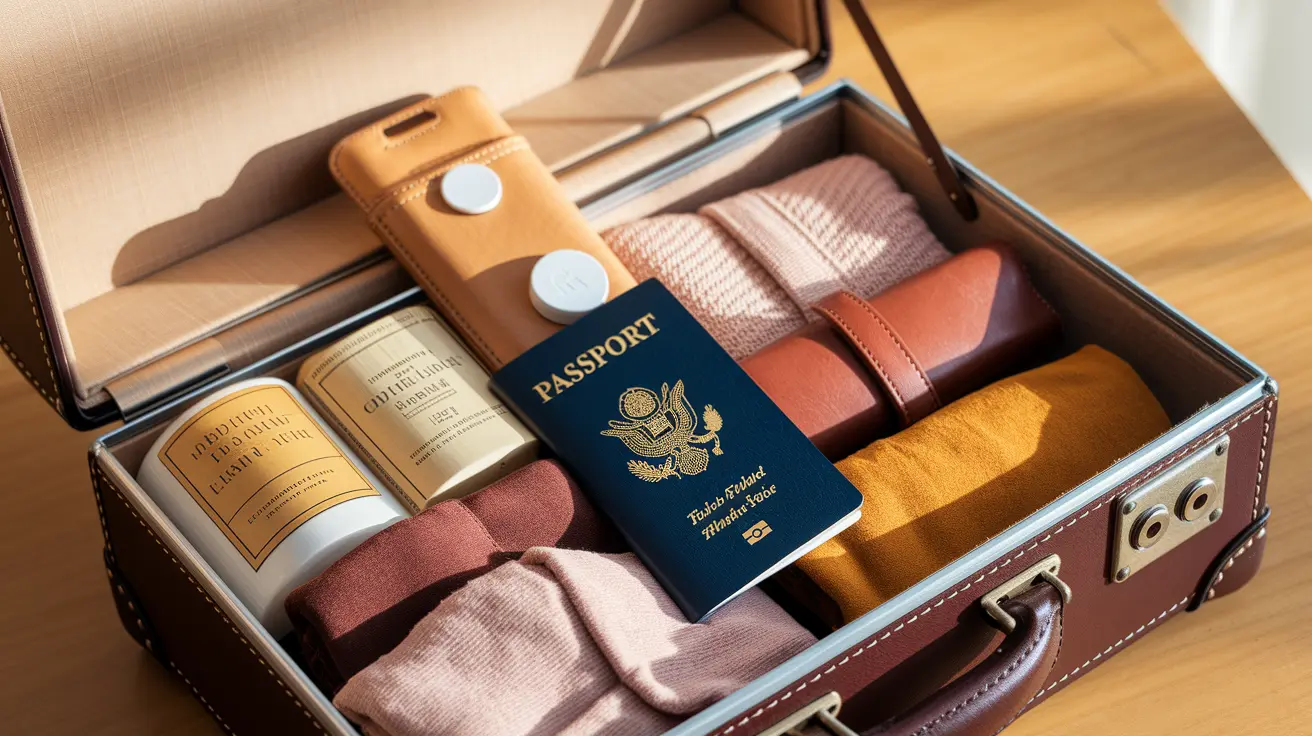
Every packing list needs adjusting. Quantities here are a starting point, not a mandate. Destination, forecast, trip length, planned activities, and whether you’ll have access to a washing machine all shift what actually belongs in your bag. Use the checklist below as the skeleton, then trim or add based on your specific trip.
Documents, Money, and Reservations
- [ ] ID or passport
- [ ] Required visas
- [ ] Credit and debit cards
- [ ] Reservation confirmations
- [ ] Rental or accommodation details
- [ ] Emergency contact list
- [ ] Travel insurance information
- [ ] Backup copies of key documents (paper or digital)
Clothing and Footwear
- [ ] Underwear
- [ ] Socks
- [ ] Tops
- [ ] Bottoms
- [ ] Sleepwear
- [ ] Swimwear
- [ ] Light outer layer or jacket
- [ ] Walking shoes
- [ ] Destination appropriate footwear
- [ ] One dressier outfit
For a 7 day trip, a common starting quantity looks like this. 7 pairs of underwear, 7 pairs of socks, 5 tops, 3 bottoms, 2 sets of sleepwear, 2 swimsuits, 1 light jacket, 2 pairs of shoes, and 1 dressier outfit. That’s a baseline, not a rule. Shorter trips need less, longer ones lean on laundry rather than more bags.
Toiletries and Personal Care
- [ ] Toothbrush and toothpaste
- [ ] Shampoo and conditioner
- [ ] Deodorant
- [ ] Skincare essentials
- [ ] Razor
- [ ] Feminine products
- [ ] Sunscreen
- [ ] Makeup you actually use regularly
Medication and Health Supplies
- [ ] Prescription medications
- [ ] Written medication record
- [ ] Common remedies (pain reliever, motion sickness, allergy)
- [ ] One compact first aid kit
Electronics and Travel Accessories
- [ ] Phone
- [ ] Charging cable for each device
- [ ] One portable charger
- [ ] Headphones
- [ ] Camera equipment, if needed
- [ ] Reusable water bottle
- [ ] Sunglasses
- [ ] Hat
- [ ] Day bag
- [ ] Snacks for delays
- [ ] A few zip top bags for wet clothing or spills
Where to Place Packed Items
Keep documents, valuables, critical medication, essential electronics, and anything you’d need during a delay within reach. Not buried in a checked bag.
Full sized toiletries and nonessential items are usually fine in checked luggage.
Final placement always comes down to your airline’s and airport’s current rules, so confirm before you pack the bag shut.
Want this on paper? Print the checklist above or save it as a PDF, and check out this Printable Vacation Rental Packing List for a resource built specifically around vacation rental stays.
Carry-On Placement, Flight Rules, and Document Security
(((alt-img2)))
What stays with you and what goes in the hold really comes down to four questions. How hard would this be to replace, do you need it in the next few hours, what’s it worth, and would you be stuck without it if your checked bag didn’t show up for a day or two. A carry-on packed with this in mind can usually cover the first 48 to 72 hours of a trip if something goes sideways with your luggage. The earlier checklist already flags which categories to prioritize, so there’s no need to re-list every item here. Just apply that filter.
Liquids get their own set of rules, and they tend to catch people off guard. Guidance points to 100 ml containers or less for carry-on toiletries, organized in a bag that won’t leak if something gets jostled or pressurized in the cabin. Beyond that baseline, airport, airline, route, and security authority rules can vary enough that it’s worth checking current restrictions before you head out. Especially on a multi-leg trip where you might clear security more than once.
Batteries and prohibited items are where a lot of carry-ons get flagged for extra screening. Spare batteries, power banks, and certain electronics often have specific carriage rules depending on the airline and the device. Keep anything likely to draw a second look, batteries, electronics, liquids, accessible rather than packed deep in your bag, since you may need to pull it out during screening.
Domestic travel usually just needs a valid ID, but international trips add layers. A passport, any required visas, proof of vaccination where it’s mandated, a driving license, and an International Driving Permit if you plan to drive, all fall into this category. If you’ll need an International Driving Permit, apply for one at least a month before departure. Processing isn’t always fast, and showing up without it at a rental counter abroad is a frustrating way to start a trip.
Once you know what you’re carrying, separate your originals from your backups. Keep a paper copy and a secure digital copy of key documents stored somewhere other than right next to the originals. Split payment access between two secure spots instead of carrying every card in one wallet, and keep visible cash to an amount you’re comfortable losing. None of this replaces the document list from the earlier section. It’s just about where things live once they’re packed.
Clothing Essentials and Outfit Planning for a Vacation
(((alt-img3)))
Outf
Final Words
in the action, this guide turned a long packing problem into practical choices: a master checkbox, carry-on and liquid rules, outfit and shoe trade-offs, toiletries and medication planning, device and power prep, destination add-ons, luggage norms, and a 10-step pre-trip timeline.
Do print the checklist, use the 7-day quantities as a starting point, and split critical meds and documents between accessible spots. Avoid packing extras that don’t match your itinerary or forecast.
Use the printable PDF to make a personalised packing list for vacation and travel with one fewer unknown.
FAQ
Q: What is the 3-3-3 rule for travel?
A: The 3-3-3 rule for travel is a simple packing shortcut whose exact meaning varies by source; confirm whether it refers to outfits, emergency supplies, or liquid limits before using it.
Q: What to pack for a 2 week trip list?
A: A 2-week trip packing list should include documents and confirmations, payment cards, full prescriptions, layered clothing, toiletries in a leak-proof bag, device chargers plus a portable charger, snacks, and wet-item bags.
Q: What is the 5 4 3 2 1 packing method?
A: The 5-4-3-2-1 packing method is a compact outfit formula that limits each category to a small set of items; verify exact counts in the original source and match them to itinerary and laundry access.
Q: How many outfits should I pack for a week vacation?
A: The number of outfits to pack for a week vacation is roughly 5 tops and 3 bottoms, plus 7 pairs of underwear and socks, 2 sleep sets, 2 swimsuits, 1 light jacket, 2 shoes, and 1 dressier outfit.