Gear and Kits
Costa Rica Packing List: Your Tropical Adventure Essentials
By Daniel Pruitt
November 26, 2026
Field Notes
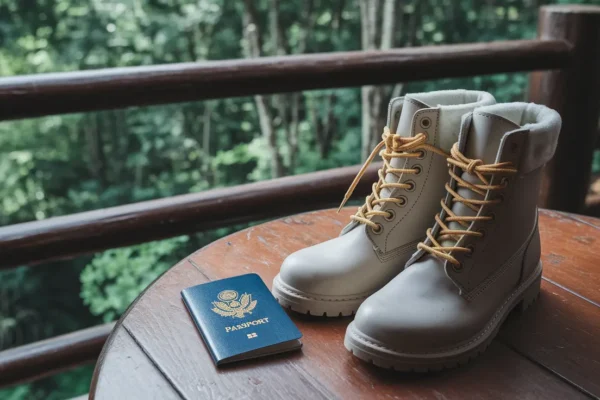
Think packing for Costa Rica is just swim trunks and sunscreen?
Not quite.
The country’s microclimates mean a rain jacket and quick-dry shirts can matter as much as a hat and reef-safe sunscreen.
This checklist lays out the core essentials—documents, clothing, rain and sun protection, insect defense, footwear, electronics, and a daypack—and shows how to tweak quantities and materials for rainforest humidity, cool highlands, beach days, and activities like hiking or snorkeling.
Core Essentials for a Costa Rica Trip
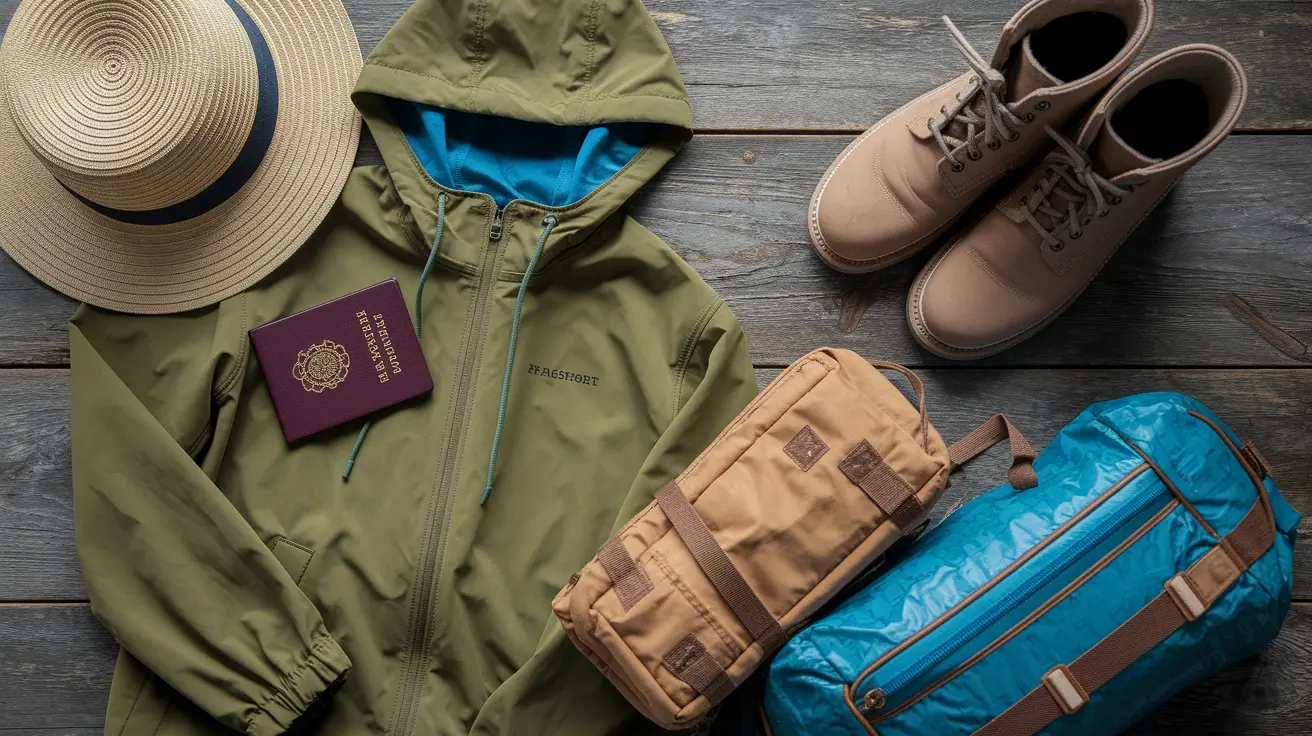
This is the baseline. Whatever else changes based on your season, region, trip length, or baggage limits, the categories below form the foundation of a Costa Rica packing list. Think of this as the starting checklist, not the finished one. The sections that follow explain how to adjust quantities and materials for rainforest humidity, cloud forest chill, beach days, and specific activities.
- Documents and money: passport, onward travel proof, insurance details, payment methods, and backups.
- Clothing: lightweight quick dry garments and a warm layer for cooler elevations.
- Rain protection: waterproof outerwear and storage for items that must stay dry.
- Footwear: suitable options for planned trails, water activities, beaches, and towns.
- Sun protection: SPF 30+ reef safe sunscreen, a hat, and UV protective sunglasses.
- Insect protection: 20 to 30% DEET or 20% picaridin repellent, plus suitable long clothing.
- Health supplies: prescriptions, personal toiletries, and a compact first aid kit.
- Electronics: phone, charger, power bank, and any required plug adapter.
- Daypack: an excursion sized bag for water, layers, documents, and daily supplies.
- Waterproof organization: dry bags, waterproof pouches, or resealable bags.
For a standard seven day trip, a reasonable clothing baseline looks like this: 5 quick dry shirts, 3 shorts or skirts, 1 pair of lightweight long pants, 7 pairs of underwear, 4 pairs of socks, 2 swimsuits, 1 fleece, and 1 rain jacket.
A few items are worth considering depending on your plans, but they’re not required for most travelers:
- Snorkeling equipment (mask and fins)
- Trekking poles
- Binoculars for wildlife viewing
- Headlamp for early starts or remote lodges
- Drone (check local rules before flying one)
- Extra outfit for a nicer dinner or resort evening
Everything from here forward works to refine these categories, not replace them. The clothing and footwear section explains how to choose fabrics and quantities. The protection section covers rain, sun, insects, and health. Later sections handle documents, electronics, activities, and how to adjust for season and region. None of them introduce a second baseline list. If you’ve got the ten categories above covered, you’re already most of the way there.
Choosing Clothing and Footwear for Costa Rica’s Climate
(((alt-img2)))
Cotton holds onto sweat and rain, and in Costa Rica’s heat and humidity, that means damp clothes that don’t dry overnight. Lightweight, breathable, moisture wicking fabrics (materials designed to pull sweat away from skin so it evaporates faster) dry faster between wears and pack smaller. For a country where you might hike in the morning and swim in the afternoon, quick dry material isn’t a luxury. It’s what keeps your bag from turning into a damp laundry pile by day three.
That said, not every region of Costa Rica is hot. San José and Monteverde sit at elevation, and nights there can feel genuinely cool. A light fleece or packable sweater, along with a pair of lightweight long pants, covers those evenings without requiring you to pack like you’re headed somewhere cold. This isn’t about bringing winter gear. It’s about having one warm layer available if your itinerary includes the highlands.
| Category | Selection Criteria | 7-10 Day Quantity Guidance | When to Adjust |
|---|---|---|---|
| Tops | Quick dry fabric, breathable weave | 5-7 tops, plus 2 long sleeve shirts for sun and bugs | Reduce if lodges offer laundry, add none just for extra days |
| Bottoms | Durable, quick dry, comfortable for hiking or beach | 2-3 shorts, 1-2 hiking pants | Favor convertible pants for mixed coastal and trail days |
| Underwear and socks | Moisture wicking material, quick to dry | 7 underwear, 3-5 socks | Cut by roughly half if washing mid trip |
| Swimwear | Quick dry, suitable for ocean and pools | 2 swimsuits | One suit works if you rotate and dry overnight |
| Warm layer | Packable, insulating without bulk | 1 fleece or packable sweater | Skip only if your route stays entirely at sea level |
| Sleepwear | Lightweight and breathable | 1 set | Add a second only on longer trips without laundry access |
Footwear depends on what you’re actually doing each day, not on packing every option available. A few use cases cover most itineraries:
- Broken in hiking boots or hiking shoes for rough, muddy, or longer trails.
- Strapped trail or water sandals for mixed land and water activities.
- Flip flops or water shoes for beaches, pools, showers, or rocky shorelines.
- Optional trail runners when their grip and support suit the planned routes.
Pick footwear from the core checklist based on what your itinerary actually requires, not out of habit. Hiking boots that haven’t been broken in before the trip are a common source of blisters on day one, so wear them around home first. And bring enough socks to cover a wet hike or two.
Final Words
At the packing stage, stick to the core checklist: documents, quick-dry clothing, rain and insect protection, footwear, electronics, daypack, and waterproof organization.
Choose clothing and shoes by elevation and activities, scale sun/insect/first-aid supplies to exposure, and add only confirmed activity gear like snorkeling or trekking poles.
Weigh bags, plan laundry, drop optional items with no clear use, and keep critical documents and medicine in carry-on. Do that and you’ll leave with a confident costa rica packing list and a smoother trip ahead.
FAQ
Q: Is $20 a lot of money in Costa Rica?
A: The amount $20 is modest for mid-range tourists but can stretch farther in rural areas; it often covers a day’s local meals or short transit, but not hotel nights or guided excursions.
Q: What is the 54321 rule for packing?
A: The 54321 rule for packing is a simple guideline that limits clothing by assigning descending quantities to core items; adapt the specific numbers to trip length, laundry access, activities, and baggage limits.
Q: Is it a good idea to go to Costa Rica in September?
A: Going to Costa Rica in September is during the green (rainy) season, with frequent—and sometimes heavy—rain; expect fewer crowds and lower prices, but pack for wet conditions and possible itinerary adjustments.
Q: Is $500 enough for a week in Costa Rica?
A: The amount $500 can be enough for a budget week with cheap lodging, local food, and public transit; it won’t comfortably cover mid-range hotels, paid tours, car rental, or many guided activities.