Gear and Kits
Packing List for 2 Weeks in Europe: Smart Essentials
By Hulu Monde
November 26, 2026
Field Notes
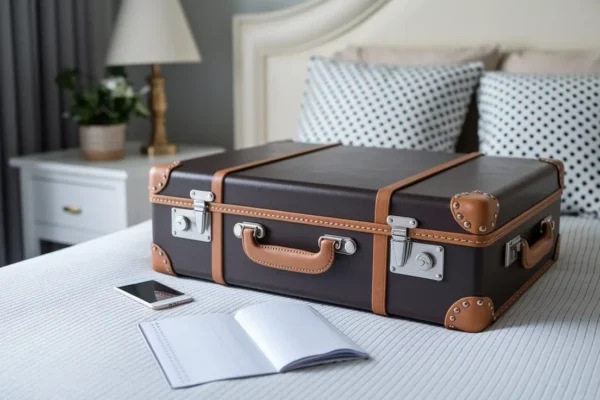
You don’t need a closet to get through two weeks in Europe. Travel reviewers and packing guides show a small, flexible kit covers warm afternoons, cool nights, and the odd rainy day. This checklist focuses on smart essentials: layered outfits you can mix, laundry every 5–7 days to cut clothing in half, and must-carry items like passport copies, prescriptions, and chargers. Read on to learn how much to pack, which bag works best, and the trade-offs that help you move faster and spend less on fees.
Everything You Need to Pack at a Glance
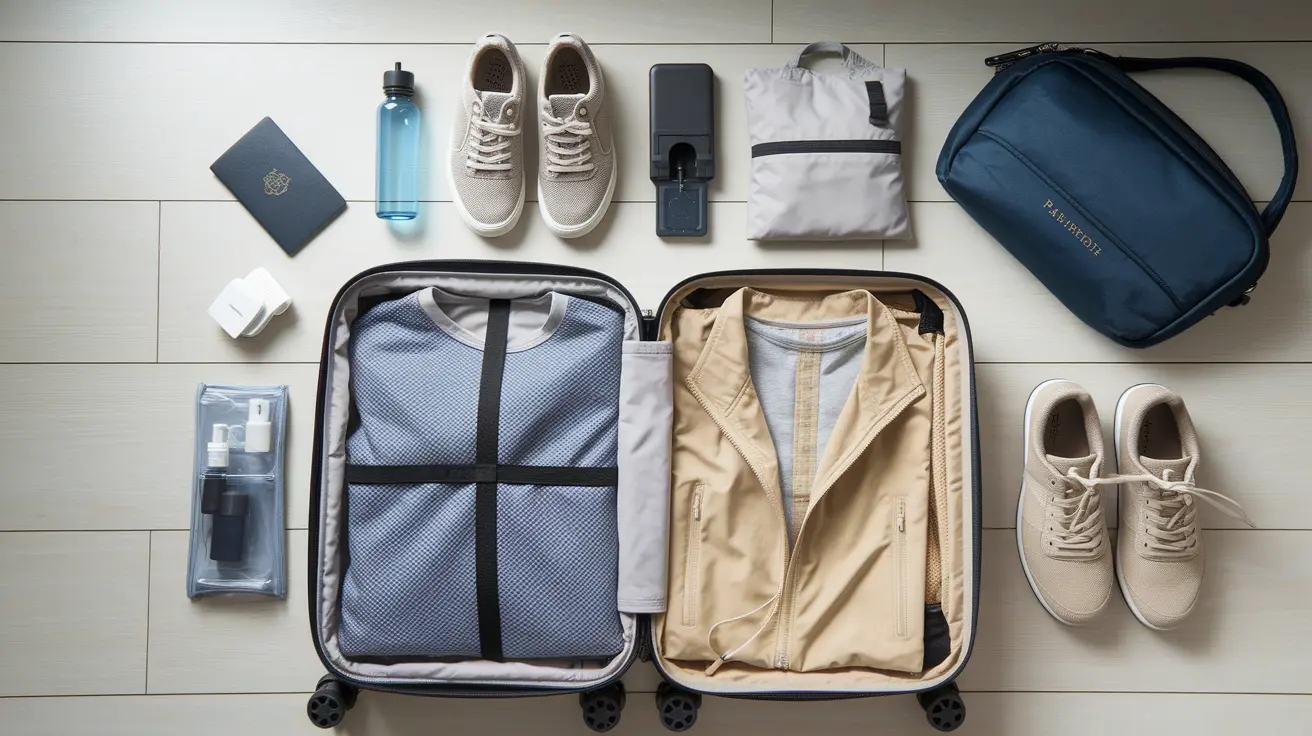
This baseline works for a 14-day, multi-city trip across Europe with a realistic mix of weather. Think warm afternoons, cooler evenings, and the occasional rainy day squeezed between train rides. Doing laundry every 5 to 7 days? You can cut the clothing quantities roughly in half and travel lighter without running out of clean clothes.
The table below is built as a checklist. Print it, save it as a PDF, or copy it into a notes app so you can tick items off as you pack and again as you repack mid-trip.
| Packed? | Category | Item | Quantity or Packing Note | Bag Placement |
|---|---|---|---|---|
| Luggage and Organisation | Main bag, packing cubes, 1 combination lock, luggage tag | 1 carry-on or checked bag, 3 to 5 cubes | Either | |
| Clothing | Tops, bottoms, layers, sleepwear, swimwear | 7 to 10 tops, 3 bottoms, 1 to 2 dresses/jumpsuits, 1 to 2 light layers, 1 packable rain jacket, 14 to 16 underwear (or 7 with laundry), 7 to 10 socks, 1 to 2 sleepwear sets, 1 to 2 swimsuits | Either | |
| Footwear | Walking shoes, second pair | 2 primary pairs (wear bulkiest while travelling) | Either | |
| Toiletries and Health | Travel size toiletries, SPF, first aid basics | Containers under 100 ml in one clear 1L bag | Carry-On | |
| Medication | Prescriptions, copies, extra doses | 14 day supply plus spares | Carry-On | |
| Electronics | Phone, charger, adapter, power bank | 1 Type C/E/F adapter, 1 power bank | Carry-On | |
| Documents and Money | Passport, copies, insurance, cards | Passport plus 2 printed copies, 2 payment cards | Carry-On | |
| Travel Accessories | Day bag, umbrella, water bottle, laundry soap | 1 secure day bag, 1 compact umbrella | Either |
Think of this table as your packing spine, not the whole story. The sections below break down how to pick the right luggage, build outfits from these quantities, handle laundry mid trip, swap items for the season, and double check current airline rules before you fly.
Choosing Luggage, Day Bags, and Packing Accessories
(((alt-img2)))
A carry-on around 40L moves faster through stations, fits overhead on regional trains, and skips baggage claim entirely. A 20 to 23 kg checked bag buys you more room, which matters if you’re carrying winter layers, hiking boots, or gear that won’t compress. For a 14 day, multi-city trip, frequent changes of accommodation usually favor the lighter setup. Dragging a checked bag up three flights of stairs in a walk-up apartment gets old fast. You’ll feel it by day four.
Check the fine print before you book anything. Many budget carriers cap cabin bags at roughly 55 x 40 x 20 cm and 7 to 10 kg, tighter than you’d expect if you’re used to flying full-service. Checked bags commonly top out around 20 to 23 kg (44 to 50 lb), and checked bag fees can run anywhere from €30 to €70 each way depending on the route and how early you add it. These numbers shift constantly, so confirm them directly with whichever airline you’re flying, not just the general guidance here.
Backpacks handle cobblestones, stairs without elevators, and uneven platform transfers better than wheeled suitcases. Worth considering if your itinerary involves a lot of walking between train stations and old town accommodation. Wheeled suitcases are easier on the back and faster to move through flat, paved areas like modern airports. Neither is universally better, it depends on your route and your own mobility. For what needs to stay in the cabin specifically, like medication, documents, and electronics, see the dedicated sections further down rather than duplicating that list here.
For day to day sightseeing, a 20 to 25L daypack gives you room for a water bottle, a light jacket, and a camera, while a smaller crossbody keeps things simple for an evening out. Either way, look for bags where the main zipper sits against your body rather than facing out, and keep valuables in an interior pocket rather than an outer pouch that’s easy to unzip in a crowd. No bag design guarantees against theft, but placement and habits make a real difference.
This is also the right place to think about packing cubes, compression sacks, 1 or 2 combination locks, a luggage tag, and an optional tracking tile if you want one. Each accessory should solve a specific problem. Cubes keep categories separated so you’re not digging through the whole bag for socks, compression sacks shrink bulky items like sweaters (though they don’t reduce their weight), and locks add a basic deter
Final Words
Mid-transfer, with a daypack on and a rain jacket at the ready, the checklist is built to get decisions done fast. It gives clear quantities (7–10 tops, 3 bottoms, 14–16 underwear or 7 with a mid-trip wash, 2 shoes), and marks what must stay in the cabin: meds, documents, valuables, and the power bank.
The guide also walks luggage choices, a mix-and-match capsule wardrobe, toiletries and liquid rules, adapters and data options, laundry plans, and seasonal swaps.
Use this packing list for 2 weeks in europe as a print-ready checklist, tweak for weather and activities, and travel more confidently.
FAQ
Q: What is the baseline packing list for 14 days in Europe?
A: The baseline packing list for 14 days in Europe includes 7–10 tops, 3 bottoms, 1–2 dresses/jumpsuits, 1–2 light layers, a packable rain jacket, 14–16 underwear (or 7 with mid-trip wash), 7–10 socks, 1–2 sleep sets, 1–2 swimsuits, two primary shoes, passport + two printed copies, travel insurance, two payment cards, travel-size toiletries, prescriptions, Type C/E/F adapter, phone, charger, one power bank, packing cubes, laundry soap, compact umbrella, reusable bottle, and a secure day bag.
Q: How can I reduce packing quantities by doing laundry?
A: Arranging laundry every 5–7 days reduces underwear and socks from about 14 pairs to 5–7 pairs, letting you cut overall clothing volume while keeping essentials fresh and travel light.
Q: What should I keep in my carry-on and what can go in checked luggage?
A: Carry critical items in your carry-on: passport and two printed copies, prescriptions and copies, valuables, power bank, and travel documents. Clothing and unrestricted toiletries can go in either checked or carry-on depending on space.
Q: What are the rules for power banks, adapters, and phone data?
A: Power banks must travel in the cabin; a practical range is 10,000–20,000 mAh. Use a Type C/E/F-compatible adapter for many countries and plan eSIM or local SIM data around 5–20 GB for roughly €10–€30.
Q: What toiletries and liquid restrictions should I follow?
A: Follow carry-on liquid rules: containers ≤100 ml placed in one transparent resealable bag no larger than 1 L. Use refillable bottles or solid alternatives to stay security-compliant.
Q: Should I travel carry-on only or check luggage for a two-week trip?
A: A ~40 L carry-on favors mobility for multi-city trips; checked luggage (20–23 kg) suits bulky coats or larger toiletries. Choose by itinerary pace, winter gear needs, and airline fees.
Q: What day bag should I bring for city sightseeing?
A: A 20–25 L daypack fits day trips; a smaller crossbody is better for tight city streets. Pick secure zips, internal pockets, and understated styling to keep valuables less accessible.
Q: How many pairs of shoes should I pack and which to wear during transit?
A: Pack two primary pairs of shoes: one practical pair for walking and one dressier or activity-specific pair. Wear the bulkiest pair during transit to save luggage space.
Q: How do I build a capsule wardrobe that works for sightseeing and dinners?
A: A capsule wardrobe uses a limited color palette, repeatable bottoms, and compatible layers so tops and one-piece garments mix for daytime and dinner looks without extra items.
Q: What travel documents, cards, and cash should I prepare?
A: Carry a passport with required validity, printed confirmations, travel insurance, two payment cards from different networks, an ATM-friendly debit card, and about €100–€200 for arrival expenses as a starting amount.
Q: What should be in my departure-day personal item?
A: Pack a personal item that keeps you covered if checked bags are delayed: document wallet, backup payment separated, cabin-ready medication, security-compliant toiletries, phone+cables+approved battery, offline tickets/maps, one change of clothes, and comfort items.