Destinations
Italian Dining Etiquette for Tourists: Smart Table Manners
By Ondrej Farkas
November 21, 2026
Field Notes
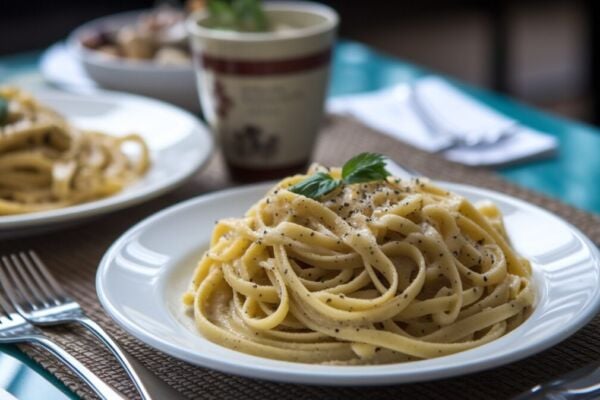
Think a big tip and fast eating will make you “more Italian” at dinner?
Not quite.
Italian dining habits shift by region and by setting—bar coffee, workday lunch, or a long family dinner all run to different rhythms.
Treating every rule as law can lead to awkward moments; watching the next table and adapting is smarter than memorizing a rigid script.
This guide walks you through the practical moves—when to reserve, how to order courses, which drinks match which dish, and how to ask for the bill—so you leave the meal relaxed, respectful, and without a surprise charge.
Quick Answer: From Restaurant Arrival to Paying the Bill
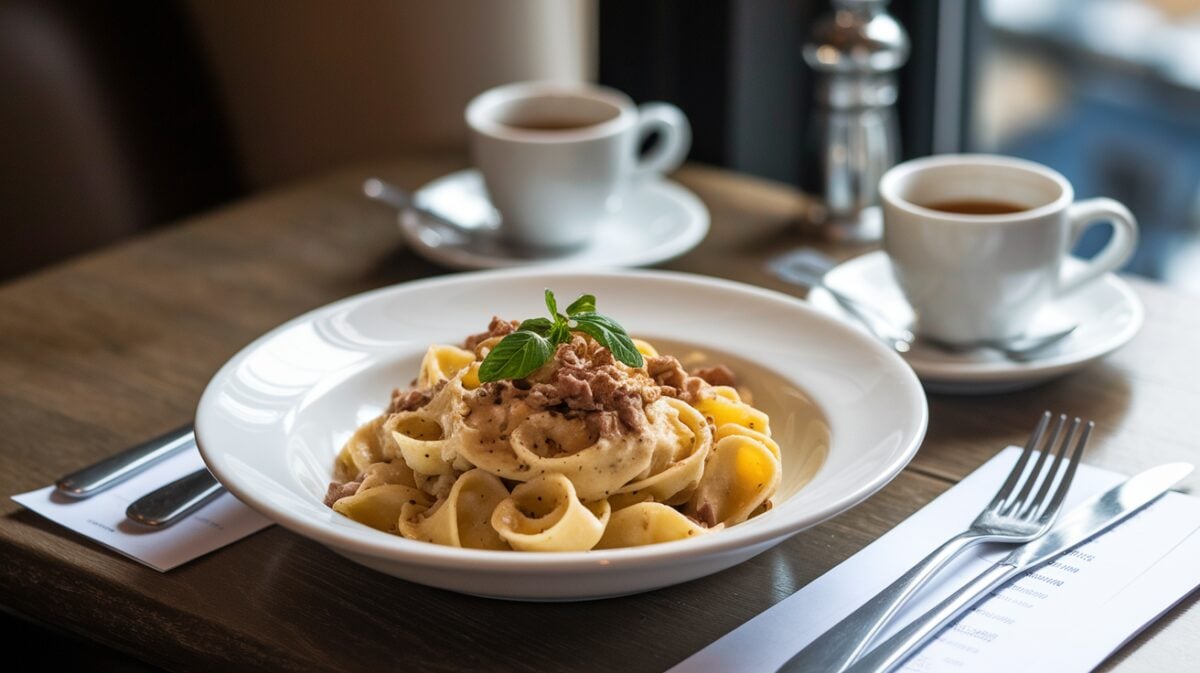
Italian dining customs shift from region to region, and from a quick bar coffee to a slow family dinner. Treating every rule as fixed law is a mistake. Watching how locals behave at the next table, then adjusting, usually works better than memorizing a rigid script.
For more on practical restaurant customs, this is worth a read: Dining Etiquette In Italy For Tourists: 7 Tips.
Here’s the shortest version of what to expect, in the order it usually happens:
- Check local lunch and dinner hours and reserve when appropriate.
- Greet staff and wait to be seated rather than picking your own table.
- Order only the courses you actually want, not the full antipasto to dolce sequence out of obligation.
- Ask for a simple local wine recommendation. White generally suits seafood or lighter food, red suits meat or hearty dishes.
- Twirl long pasta with a fork instead of reaching for a knife.
- Choose espresso rather than cappuccino after a meal, if you want to follow local convention.
- Request the bill with “Il conto, per favore.”
- Check the bill for coperto and servizio charges before paying.
- Treat tipping as optional, and skip the loud summons, aggressive pointing, or insulting gestures.
That’s the skeleton. The sections below fill in the reasoning for seating, drinks, charges, tipping, and how to deal with staff without stepping on any toes.
When Should Tourists Eat and Reserve Restaurants in Italy?
(((alt-img2)))
Meal times in Italy run on a different clock than many tourists expect. Breakfast tends to run from about 07:00 to 10:00 and is often light, just coffee and something sweet. Lunch typically falls between 12:30 and 14:30, and aperitivo, the pre-dinner drink and snack ritual, usually happens from 18:00 to 20:00. Dinner often starts around 19:30 and can run until 22:30, sometimes later in southern Italy or during summer when the heat pushes everything back a bit. A lot of restaurants simply close after lunch service ends and don’t reopen until around 19:00 or 19:30. Show up at 16:00 hungry for a full meal, and you’ll likely be disappointed.
Reservations matter more than casual travelers assume. Dinner service, popular tourist restaurants, July and August, and major holidays are all situations where booking ahead is worth the five minutes it takes. Groups of four or more should reserve as a rule, not an exception. It’s also smart to double check a restaurant’s current hours before heading over. Posted hours change seasonally, and smaller family-run places sometimes close without much notice for a week of vacation.
Arrival itself has its own small protocol. Greet the staff first, even just a “buonasera,” and give the reservation name if you have one. Then wait. Taking an open table on your own, even if the place looks half-empty, can come across as presumptuous. Someone will usually appear within a minute or two to seat you, and that short pause is part of the rhythm, not a sign of being ignored.
A quick planning checklist before heading out:
- Confirm lunch hours fall within roughly 12:30 to 14:30 at your chosen restaurant.
- Check whether aperitivo (18:00 to 20:00) is offered if you want a lighter early evening option.
- Plan dinner for 19:30 or later, later still if you’re in the south or it’s summer.
- Book ahead for dinner, weekends, holidays, or groups of four or more.
- Arrive, greet the host or server, and wait to be shown to your table.
Keep in mind this all shifts by city, region, season, and the individual restaurant’s own habits. A beach town in August runs later than a mountain village in February.
How Should Tourists Order Courses in an Italian Restaurant?
(((alt-img3)))
Italian menus follow a structure that looks intimidating at first glance but makes sense once you know the pattern. You’re not required to order through the whole thing, though. Picking one or two courses that sound good is completely normal, even in a sit-down restaurant.
Reading the Italian Course Structure
A traditional menu moves through antipasto (starter), primo (first course, usually pasta, risotto, or soup), secondo (main course, typically meat or fish), contorno (a side dish ordered separately from the secondo), and dolce (dessert). Ordering just one course is fine for a lighter meal. Choosing both a primo and a secondo suits a longer, more traditional dinner. One detail that trips up visitors: pasta is almost always a primo, a standalone course, not a side dish sitting next to your meat or fish.
Asking for Recommendations and Specialties
Waitstaff generally expect questions and are often happy to steer you toward something good. A useful phrase is “Che cosa mi consiglia come primo piatto?”, meaning “What do you recommend as a first course?” If a dish is a specialty of the house, you might hear “È una specialità della casa” in response. This is a good moment to ask about regional dishes you won’t find at home, rather than defaulting to something familiar.
Sharing and Requesting Changes
Whether a dish is meant for sharing depends heavily on the venue and the dish itself. A casual trattoria might not blink at a shared plate of pasta between two people, while a formal ristorante may expect each diner to order their own course. It’s worth asking before assuming extra plates will show up without
Final Words
Sit down, wait to be shown a table, and follow local cues—this guide walked you through the full flow from arrival to asking for the bill.
You’ve got quick timing tips, how to order courses, bread and pasta manners, coffee and wine rules, and the basics of coperto, servizio, and tipping. It also covers staff interaction, regional differences, and special cases like allergies or kids.
Keep this checklist of Italian dining etiquette for tourists handy, observe politely, ask when unsure, and enjoy your meals.
FAQ
Q: Should we tip in Italy at dinner?
A: Tipping in Italy at dinner is optional. Guests commonly round up or leave €1–€5; about 5% may be given for notably good service. Check the bill for coperto or servizio before adding tip.
Q: Is it okay to say “ciao bella”?
A: Saying “ciao bella” is informal and can be flattering among friends; avoid using it with strangers, elders, or in professional settings. Use “buongiorno” or “buonasera” for polite, neutral greetings.
Q: How do Italians eat so much carbs and not get fat?
A: Italians often balance carb-rich meals with smaller portions, fresh ingredients, regular walking, and structured meal timing; overall diet quality and activity matter more than focusing on a single food group.
Q: How often do people shower in Italy?
A: Showering frequency in Italy varies by personal habit, climate, and activity; many people shower daily in hot months, while others bathe every other day. Follow local hosts’ cues when visiting.