Destinations
Mosque Etiquette in Turkey: Respectful Tips for Tourists
By Hulu Monde
November 21, 2026
Field Notes
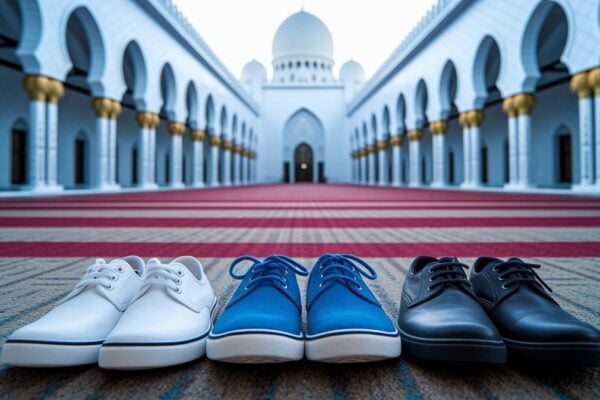
Is it okay to treat a Turkish mosque like a museum stop while sightseeing?
Not really. Many mosques are still active places of worship even when they welcome visitors, and that changes what you can and can’t do from the gate onward.
This post lays out 10 clear, practical rules to follow before you step inside, from dress and shoe rules to phone, photo, and prayer-line etiquette.
Follow these tips and you’ll see the sites without disrupting worship or causing offense.
Essential Rules for Respectful Turkish Mosque Visits
Non-Muslims can visit Turkish mosques whenever they’re open to tourism, and most major sites handle visitors smoothly. But here’s the thing: a mosque is still an active place of worship, not a museum with fixed hours. That distinction should shape every decision you make from the moment you walk through the gate.
The following 10 rules cover the core expectations. Later sections go deeper into the reasoning and site specific details, but this list is the one to run through mentally before you step inside.
- Check current prayer times and visitor notices posted at the entrance.
- Cover shoulders, arms, and knees, regardless of gender.
- Women should carry a scarf or use one offered at the entrance to cover their hair.
- Remove shoes before entering the prayer hall.
- Keep phones silent and speak in a low voice, if at all.
- Stay behind barriers and well outside active prayer lines.
- Never walk directly in front of someone who is praying.
- Avoid photographing worshippers without their explicit consent.
- Skip flash photography, eating, drinking, smoking, and any public physical affection.
- Follow instructions from staff, caretakers, or security without debate.
These aren’t arbitrary customs. Each one exists because a mosque keeps functioning as a working prayer space even while tourists move through it. The small inconveniences, an extra scarf, a quieter voice, a longer wait, are what keep that balance workable for everyone.
One thing worth repeating: posted signage and staff instructions always override anything written here. Access arrangements shift by mosque, by prayer schedule, by season, and especially around religious holidays. A rule that applied on a friend’s visit last spring might not hold on a Friday during Ramadan. When in doubt, watch what local staff are directing people to do, and match it.
How a Tourist Mosque Visit in Turkey Works from Arrival to Exit
(((alt-img2)))
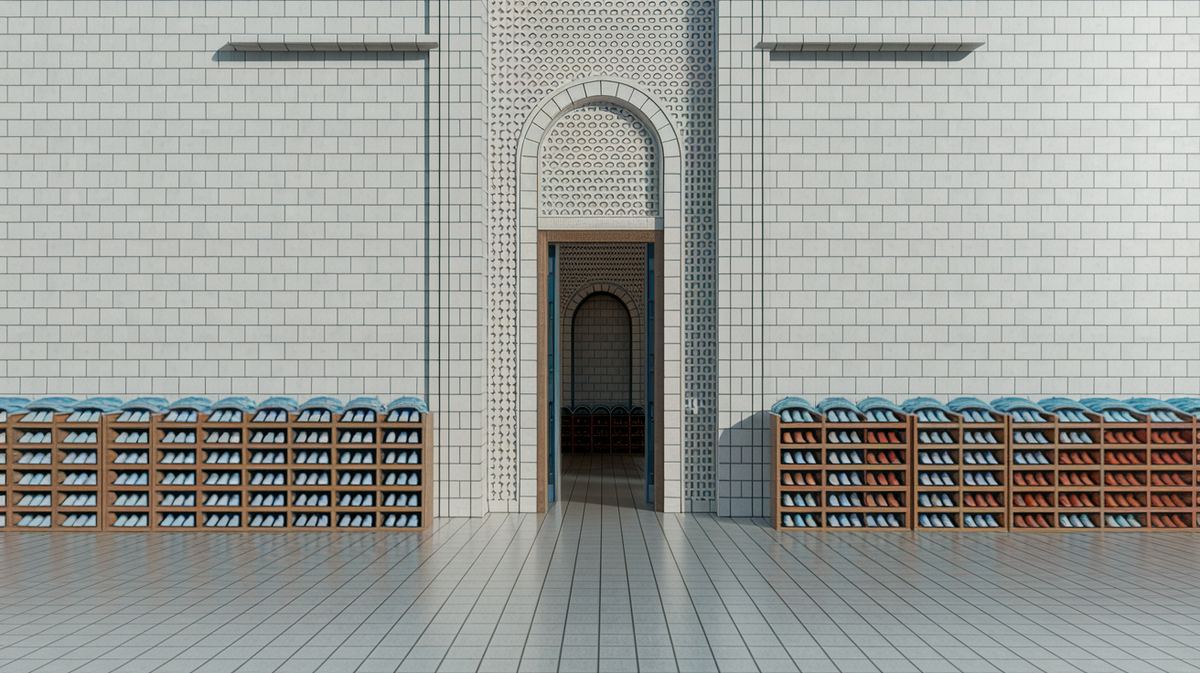
A typical visit follows a loose but recognizable sequence. You’ll arrive, check any posted prayer or access notices, then move through security screening if the site has it, something common at major mosques where crowds run heavier. Give yourself an extra 15 to 30 minutes for this at well-known sites, since lines can bottleneck fast during peak tourist hours. From there, you’ll pick up a covering if you need one, remove your shoes, and store them before entering the visitor area. Dress specifics and shoe-handling details get their own sections below, so this is just the shape of the process.
Leaving works in reverse. Retrieve your shoes, return any borrowed scarf or covering, and exit quietly rather than lingering near the doorway where people are still filing in and out. Smaller neighborhood mosques often skip the formal infrastructure entirely. No lockers, no scarf bins, sometimes no clear visitor sign at all. In that setting, quiet observation and a quick question to staff before wandering further in will serve you better than assuming the same setup as a major tourist site.
What Tourists Should Wear in Turkish Mosques
(((alt-img3)))
Modesty expectations apply to everyone walking through the door, not just one group of visitors. Clothing should already be sorted out before you reach the prayer hall entrance, not adjusted awkwardly in line.
Clothing and Hair Covering for Women
Hair needs to be covered with a scarf or shawl, and this applies the moment you enter, not just near the prayer area. Shoulders and arms should be covered too, ideally with a long sleeved top, along with knees, using long trousers or a long skirt. Low necklines are best avoided altogether.
Many major mosques, including the well known Istanbul sites, keep scarves available at the entrance for visitors who show up without one. That said, relying on a borrowed scarf means dealing with whatever’s left on a busy day, possibly a thin or oddly patterned piece that doesn’t match your layers. Carrying a personal lightweight scarf solves this, and it doubles as a backup for other modest dress situations elsewhere in Turkey, like visiting a smaller town mosque with no visitor supplies at all.
Final Words
Non-Muslims are generally welcome in Turkish mosques when visitor access is open, but an active place of worship should be treated differently from a standard tourist stop.
Keep it simple and respectful: dress modestly (cover shoulders, arms, knees), women use a headscarf if needed, remove shoes before the prayer hall, stay quiet, don’t walk in front of people praying, and avoid photographing worshippers without consent.
Follow posted notices and staff directions—rules vary by mosque and time. Use the checklist above; mosque etiquette in Turkey for tourists is straightforward, and most visits are rewarding when you show respect.
FAQ
Q: What should female tourists wear in Istanbul and when visiting mosques like the Blue Mosque?
A: Female tourists should wear modest clothing in Istanbul and at mosques: cover hair, shoulders, arms, and knees. For the Blue Mosque bring a headscarf, long sleeves, long skirt or trousers, and easy-to-remove shoes.
Q: Should US citizens avoid Turkey as a tourist?
A: US citizens should not necessarily avoid Turkey as tourists; travel advisories and local conditions change. Check the latest government advisory, register travel alerts if available, and follow routine safety and local guidance while visiting.