Gear and Kits
Packing List for Japan’s Dreamy Cherry Blossom Season
By Maren Solvik
November 22, 2026
Field Notes
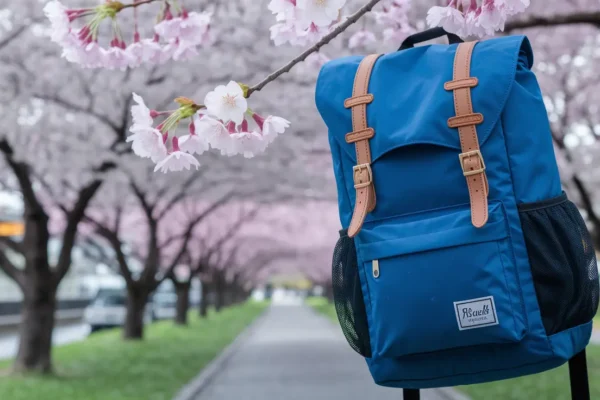
Think a single jacket will cover Japan’s cherry blossom season? Think again.
Cherry blossom timing shifts north over weeks, so what works in Kyushu in early March won’t match Hokkaido in late April.
This packing list focuses on the essentials that actually matter: layers for sudden temperature swings, shoes for long days on pavement and gravel, rain gear you can grab fast, ways to stay charged and connected, and basic pollen and health supplies.
Follow these priorities and adjust by date and destination to avoid surprises.
Quick Essentials for Japan’s Cherry Blossom Season
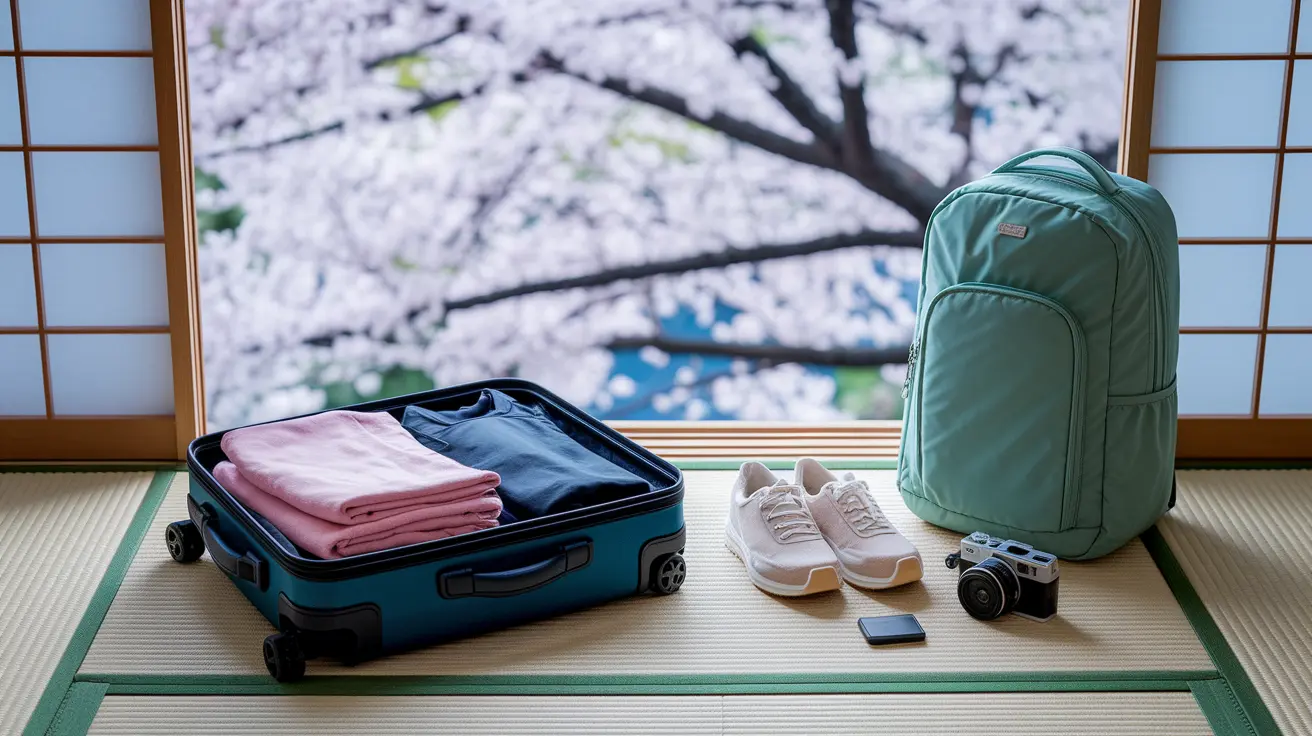
Cherry blossoms don’t bloom on one single date across Japan. They move north like a slow wave, starting in Kyushu in early March, reaching Tokyo and Kyoto by late March to early April, and finally arriving in northern Honshu and Hokkaido by late April into early May. That spread matters for packing. What works for a Tokyo trip in late March might leave you cold and underdressed in Hokkaido just a few weeks later. Match your clothing and gear to your actual dates and destinations, not some generic “spring in Japan” idea.
Here’s the master checklist to work from before diving into specifics:
- Passport, insurance, and booking documents
- Cash, payment cards, and an IC transit card
- Adaptable spring clothing
- Supportive walking shoes and breathable socks
- Rain jacket and compact umbrella
- Phone, connectivity, charging equipment, and adaptor
- Camera and storage equipment
- Daypack and hanami supplies
- Toiletries, medication, and pollen protection
- Reusable daily items and rubbish bags
For a broader rundown that covers packing basics beyond spring, the Complete Japan Packing List Guide for Beginners (2026 Edition) is worth a look, especially if your trip extends beyond the blossom window.
If you remember nothing else, remember this. Layers that adjust to sudden temperature swings, shoes that can handle long days on pavement and gravel, rain gear you can grab without digging through your bag, a way to stay charged and connected, and basic health supplies for pollen season. Everything else in this guide builds on those five priorities.
Spring Clothing and Footwear for Cherry Blossom Travel in Japan
(((alt-img2)))
Spring in Japan swings. A sunny afternoon at 18°C can turn into a windy, 8°C evening once the sun drops, and that’s before you factor in a sudden rain shower or a day trip somewhere cooler. The fix isn’t one heavy coat. It’s a layering system: base, mid, warm, and outer, each doing a specific job so you can add or strip layers as conditions change.
Think of it like building with blocks rather than wearing a single fixed outfit. A quick-dry base layer manages sweat on warm, active days. A mid-layer adds warmth for cooler mornings. A packable warm layer, like a light down jacket, covers chilly evenings or unexpected cold snaps. And a waterproof, windproof shell handles both rain and wind without needing a separate jacket for each. Removable layers flex with the day. A single heavy coat doesn’t.
For a 5 to 7 day trip, this capsule covers most scenarios:
- 3 quick-dry base layers
- 2 long-sleeved or mid-layer tops
- 1 sweater, fleece, or cardigan
- 1 packable warm layer
- 1 waterproof and windproof shell
- 2 versatile bottoms
- 5 sets of underwear and 5 pairs of breathable socks
- 1 set of sleepwear
- 1 lightweight scarf, with gloves optional for colder destinations
Footwear and formal-site dressing deserve their own attention, since they’re easy to get wrong before a trip:
- Use broken-in, supportive shoes for days that may exceed 15,000 steps.
- Consider an easy-to-remove second pair for temples, ryokans, castles, or certain restaurants.
- Avoid relying on new stiff shoes or heels for long sightseeing days.
- Include clothing that covers the shoulders and knees for formal religious sites.
Early March through early April often calls for a medium-weight or wind-resistant jacket since mornings and evenings stay genuinely cold. By late April into May, many travellers find a packable rain shell plus one warm evening layer is enough, especially in Tokyo or Kyoto. If Hokkaido is on your route, pack as if it’s still early spring regardless of the calendar date, since blossoms arrive there weeks after central Japan has warmed up. For trips stretching 7 to 10 days, add 2 extra tops and 1 extra pair of underwear rather than doubling the whole capsule. How you’ll keep this wardrobe clean on a longer trip gets covered later, in the packing process section.
Documents, Payments, Connectivity, and Device Compatibility
(((alt-img3)))
Getting into Japan smoothly and staying connected once you’re there comes down to a handful of checks you’ll want sorted before you leave home, not scrambled together at the airport.
- Confirm the passport covers the entire stay and store paper, offline, and secure digital copies of essential records.
- Separate two payment methods and prepare ¥10,000 to ¥30,000 in starting cash, including ¥1,000 to ¥3,000 in small bills.
- Set up Suica, Pasmo, or another suitable IC card and note the reported ¥500 refundable deposit where applicable.
- Confirm that the phone is unlocked and compatible before purchasing an eSIM or physical SIM.
- Check every charger for a 100 to 240V input rating before connecting it to Japan’s 100V Type A outlets.
- Place a 10,000 to 20,000mAh power bank in carry-on baggage rather than checked luggage.
Visa and Mastercard are widely accepted across cities, but don’t assume the same for rural shops, shrine offering boxes, vending machines, or small noodle stands. Many of these still run cash only. An IC card like Suica or
Final Words
In the action, match your clothing to dates and destinations as the cherry blossom season moves north from March to May.
Use the master checklist: passport and payment, adaptable layers and supportive footwear, rain protection, chargers and power bank, and a compact hanami kit.
Run the verification schedule—passport validity, medication legality, battery rules, regional forecasts, and the final pocket check—before you leave.
With those checks done, the packing list for japan spring cherry blossom trip becomes a focused plan that keeps you comfortable, connected, and ready for hanami. Enjoy the blooms.
FAQ
Q: What to pack for a trip to Japan?
A: What to pack for a trip to Japan is to match clothing to destinations and travel dates, since cherry blossom season moves north March–May. Priorities: documents, money, phone and chargers, supportive shoes, layers, rain gear, health supplies.
Q: Is $2000 AUD enough for 2 weeks in Japan?
A: Whether $2000 AUD covers 2 weeks in Japan depends on travel style. It may work for strict budget travel (hostels, cheap meals, local transport) but mid-range hotels, long-distance trains, and activities will need a larger budget.
Q: What is the best month to visit Japan for cherry blossoms?
A: The best month to visit Japan for cherry blossoms depends on region: early March in Kyushu, late March–early April in Tokyo and Kyoto, late April in northern Honshu, and late April–early May in Hokkaido.
Q: What is the 54321 rule for packing?
A: The 54321 rule for packing is a simple heuristic that assigns descending item counts to core clothing categories to force versatile choices, reduce weight, and simplify laundry and outfit planning on short trips.