Destinations
Photography Etiquette in Iceland: Smart Rules for Tourists
By Daniel Pruitt
November 20, 2026
Field Notes
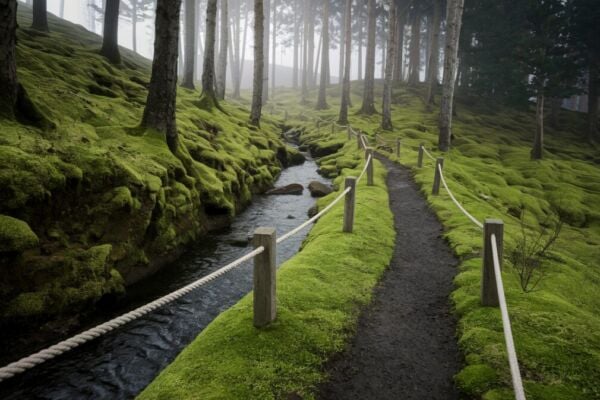
Think the perfect Iceland photo is harmless?
A single step off a boardwalk or a poorly chosen angle can damage moss, disturb wildlife, and create safety headaches, and sometimes fines.
This post lays out clear, practical rules for tourists that protect the land and keep your shots legal and crowd-friendly.
Follow them and you’ll avoid damage, awkward confrontations, and the social-media traps that turn quiet places into worn-out attractions.
Short, specific, and action-focused.
Not vague tips, but rules you can use on the road.
Essential Rules for Taking Photos Responsibly in Iceland
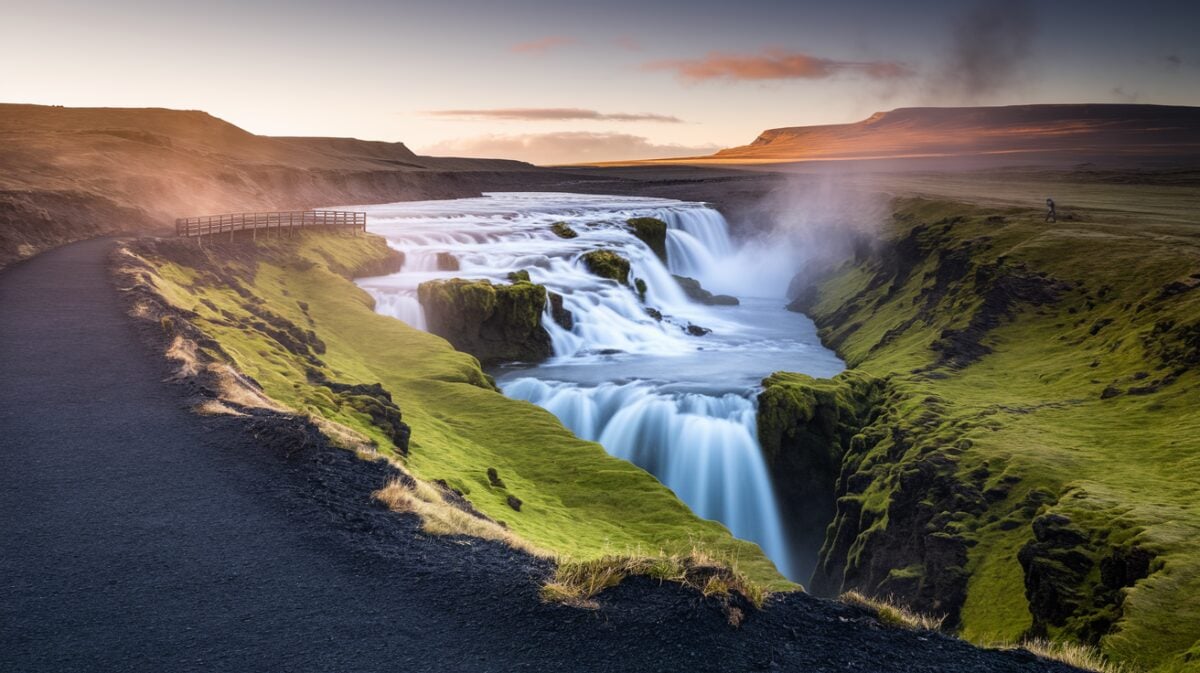
Most of Iceland’s landscapes are fair game for your camera. You can photograph waterfalls, mountains, black sand beaches, and small fishing villages without needing special clearance in most cases. But that freedom comes with conditions. Respect access restrictions, protect fragile terrain, keep other people’s privacy in mind, and don’t create hazards for yourself or anyone nearby. Get those four things right and you’ll avoid nearly every problem tourists run into.
Here’s a quick reference list worth bookmarking before you land:
- Stay on marked paths and boardwalks.
- Never walk or place equipment on moss or fragile vegetation.
- Ask before taking close portraits, especially of children.
- Do not cross fences, barriers, or signed closures.
- Park only in designated spaces or safe pullouts.
- Keep a respectful distance from wildlife and use a long lens.
- Check current drone rules and site specific flight restrictions.
- Follow all warnings at beaches, waterfalls, cliffs, glaciers, and geothermal areas.
- Pack out waste and do not remove rocks or natural objects.
- Obtain landowner or authority approval when access or commercial use requires it.
A lot of tourist mistakes start small. Someone steps off a boardwalk for an angle without the crowd in frame. Someone else sees a striking photo online, taken from a spot that was probably off trail or outright illegal, and tries to recreate it in the exact same place. A farm gate gets blocked because it offered the best light at sunset. An animal looks calm and approachable, so a visitor gets closer than they should, not realizing the animal is stressed, not relaxed.
None of these choices look reckless in the moment. That’s the problem. Signs, ranger instructions, temporary closures, and local rules always take priority over general guidance, and definitely over something you saw on social media last year. If a sign says stay back, stay back, even if the photo you had in mind depended on getting closer.
Protecting Landscapes and Wildlife Through Low-Impact Planning
(((alt-img2)))
Icelandic moss looks tough. It’s not. This thin layer of lichen and vegetation covering lava fields can take decades to recover from a single set of footprints, and in some cases, full recovery takes 20 to 100 years or more. One photographer stepping off the path to get a clean composition might seem harmless, but that single track often becomes a visible trail within a season, because the next visitor follows the same line, assuming it must be allowed.
This is why planning your shot before you arrive matters more in Iceland than in most places. Decide on your lens, your angle, your parking spot, and your group size ahead of time. The goal is to cut down on the decisions you make on the fly, because those improvised choices, just one step closer, just this one spot for the tripod, are usually what cause damage.
Moss, Lava Fields, Riverbanks, and Geothermal Ground
Vegetated lava fields are particularly fragile because the moss layer sits on uneven, porous rock with very little soil underneath. Riverbanks erode quickly when trampled, and some areas are active restoration plots where previous damage is still healing. Geothermal ground can look solid while hiding thin crust over scalding water below. Driving off marked roads to reach any of these spots isn’t just environmentally damaging, it’s illegal, and enforcement has led to fines and in some cases vehicle seizures. Always pack out every piece of rubbish, including small items used for staging a shot, and leave rocks, plants, and natural features exactly where you found them.
Puffins, Seals, Horses, and Other Wildlife
Published distance guidance, roughly 20 to 50 meters from nesting colonies and 50 meters or more from seals, should be treated as a floor, not a target. Getting exactly that close isn’t the goal. Puffin nesting season runs roughly April through August, and birds under stress during this window may abandon nests entirely. Skip the flash. Keep your voice down. Use a telephoto lens instead of your feet to close the distance. If an animal changes posture, stops feeding, or moves away as you approach, that’s your signal to back off further, not to hold your position. Horses and livestock in fields are usually owned animals, not wild subjects, so treat fenced pastures as private property regardless of how photogenic the animals look.
Planning for Crowds and Cumulative Impact
Shooting at sunrise or late evening isn’t just about better light, it also means fewer people competing for the same six feet of boardwalk. Smaller groups and lighter gear let you move through popular Ring Road viewpoints faster, leaving room for other visitors. For fragile or lesser known sites, consider skipping precise geotags when you post online. A single viral location tag can turn a quiet moss field into a worn out trail within a tourist season.
| Subject or Setting | Why It Is Vulnerable | Location Specific Low Impact Action |
|---|---|---|
| Moss and vegetated lava | Recovery can take decades to over a century | Shoot from the path using a wider lens instead of walking in for a closer angle |
| Puffins and nesting birds | Breeding season disturbance can cause nest abandonment | Use a 200mm or longer lens and observe quietly from 20 to 50 meters away, April through August |
| Seals and resting mammals | Easily startled off rocks or beaches, wasting energy reserves | Stay 50 meters or farther back and avoid sudden movement or noise |
| Crowded viewpoints and little known sites | Cumulative foot traffic erodes trails and attracts further crowds | Visit at off peak hours and skip precise ge
Final WordsAt the edge of a black-sand beach, a single step or a loud flash can change a protected spot forever. Decisions matter. This guide pulled the essentials: follow marked paths, protect moss and wildlife, ask before close portraits, respect fences and private land, check drone and commercial-permit rules, and prioritise safety around beaches, waterfalls, glaciers, and night shoots. It also points to where to verify rules and report problems. Keep photography etiquette in Iceland for tourists front of mind, and you’ll capture great images without harming the places that make them special. FAQQ: What are some things that are not allowed in Iceland?A: Things not allowed in Iceland include walking on moss or fragile vegetation, off-road driving, crossing fences or signed closures, removing rocks or plants, disturbing wildlife, parking off-designated spots, flying drones without checking rules, and photographing commercial sites without permission. Q: Which country is best for photographers?A: The best country for photographers depends on your subject: Iceland suits dramatic landscapes and aurora, while other countries are better for street, wildlife, or architectural photography—choose by season, access, permits, and budget. Q: What I wish I knew before going to Iceland?A: Key things to know before going to Iceland: weather changes fast, fragile ground needs staying on marked paths, respect private property and portrait consent, check drone and commercial-permit rules, and plan for parking and seasonal closures. Q: How much money should I bring to Iceland for 4 days?A: How much money to bring for four days in Iceland depends on trip style and activities; major costs are accommodation, car hire and fuel, food, tours, and permits—research current prices and budget a contingency. |