Destinations
Singapore Etiquette for Tourists: Smart Rules to Follow
By Marcus Webb
November 20, 2026
Field Notes
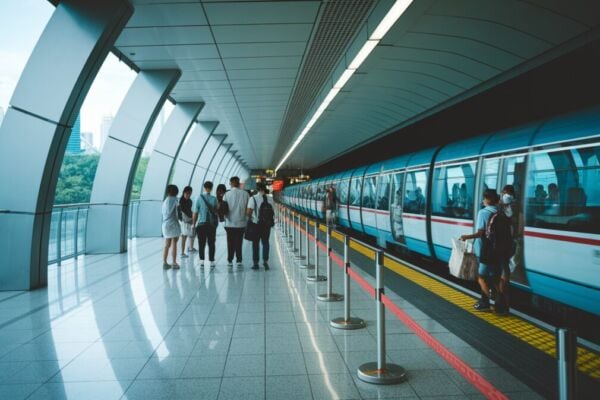
Is Singapore a city of strict laws and scary fines, or just polite people who like order?
Both, in a way.
Shared spaces tend to stay clean, queues move in straight lines, and small signals—signs, floor markings, quiet train cars—matter more than showy gestures.
This guide lays out 10 practical rules every visitor should know, and explains which behaviours are courtesy and which are enforceable law.
Follow them and you’ll avoid fines, social friction, and awkward apologies.
Start with the quick checklist; details follow.
Singapore Etiquette at a Glance
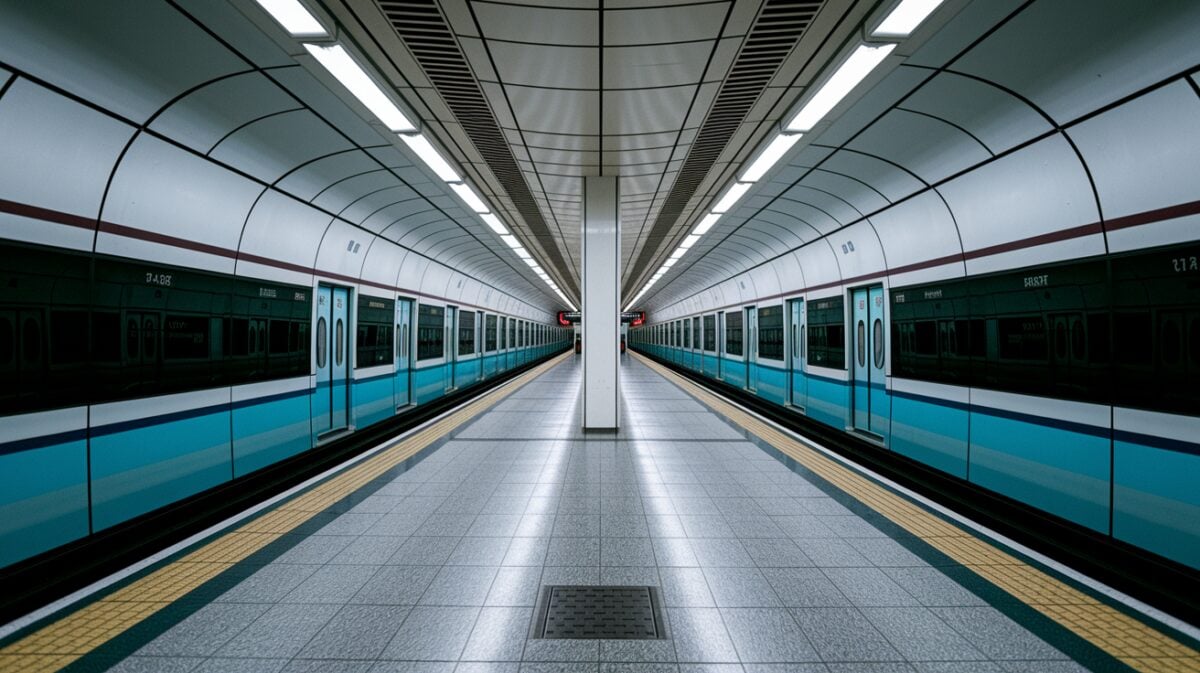
Singapore runs on order. Shared spaces stay clean, queues move in straight lines, and public conduct tends to stay quiet and controlled. For a visitor, the baseline expectation is pretty simple: keep things tidy, wait your turn, and remember the city is home to Chinese, Malay, Indian, and many other communities living side by side.
That doesn’t mean rigid formality everywhere you go. It means paying attention to small signals, a posted sign, a queue line on the floor, a quiet train car, and matching them.
Here are 10 essentials to carry with you from day one:
- Dispose of rubbish in designated bins.
- Keep food and drinks packed away on MRT trains and wherever station rules prohibit them.
- Join the end of every queue and wait your turn.
- Smoke only in designated locations.
- Keep conversations, calls and music quiet in shared spaces.
- Offer priority seats to passengers who need them.
- Dress modestly and follow entry requirements at places of worship.
- Check restaurant bills before considering an optional tip.
- Ask permission before photographing people or ceremonies.
- Treat drug, vandalism and public order laws as serious legal restrictions.
Most of this list is courtesy, the kind of behavior that makes a shared city work better for everyone in it. Some of it, though, crosses into enforceable law. That distinction matters. Littering is rude almost anywhere, but in Singapore it’s also a legal matter with real consequences. The sections ahead on laws and fines, MRT conduct, dining, and religious sites go deeper into each of these, so this overview won’t repeat the specifics.
Practical information:
- Emergency contacts: Call 999 for police or 995 for fire and ambulance.
- Current requirements: Follow posted signs and local authority notices because laws, restricted areas and penalty amounts may change.
Which Singapore Laws and Fines Must Tourists Know?
(((alt-img2)))
Some behavior that barely raises an eyebrow back home can land a tourist in real trouble here. Singapore enforces its public order rules consistently, and a few of them surprise first time visitors. Worth reviewing before you land, not after. As noted earlier, always check current signage and official notices since amounts and rules can shift.
Cleanliness, Littering and Chewing Gum
Importing and selling chewing gum has largely been banned since 1992, with an exception since 2004 allowing limited therapeutic gum, the kind a pharmacist might recommend. If you bring a pack in your bag out of habit, that’s generally tolerated, but buying or selling it locally is where the restriction bites. Dispose of any gum properly rather than sticking it under a table or dropping it on the pavement.
Littering and spitting carry on the spot composition fines commonly cited around S$300 for a first, minor offence. Repeat or more serious cases can escalate to court fines reported in the S$1,000 to S$2,000 range, sometimes paired with a Corrective Work Order, supervised cleanup duty, often in a visible vest. Simple fix, carry your rubbish until you find a bin.
Smoking, Vaping and Public Drinking
Smoking is restricted across many indoor spaces and a growing number of outdoor zones, including covered walkways and some park areas. Composition fines for smoking in a prohibited spot are commonly cited starting around S$200. Look for signage before lighting up anywhere that isn’t obviously an open air area.
Public drinking is managed by location and time rather than banned outright. Certain districts restrict alcohol consumption during specific hours, with cited fines reaching up to S$1,000 in restricted zones. E-cigarette rules have shifted over the years, so confirm current regulations before carrying or using one.
Drugs, Vandalism and Other Serious Offences
Singapore treats controlled drugs with zero tolerance. This isn’t a place to test the boundaries of what counts as a small amount. Serious trafficking offences can carry long imprisonment, life imprisonment, or capital punishment, consequences far beyond what many travelers are used to seeing attached to drug law.
Vandalism, graffiti and public urination are also offences, not simply frowned upon but legally punishable.
| Rule or Offence | What Tourists Should Do | Cited Consequence | Verification Note |
|---|---|---|---|
| Chewing gum sale/import | Avoid buying or selling gum locally | Restricted since 1992, therapeutic exception since 2004 | Confirm current exceptions before travel |
| Littering or spitting | Use bins, carry rubbish until disposal is possible | Composition fine commonly S$300, court fines up to S$1,000-S$2,000 | Amounts may change, check current notices |
| Smoking in prohibited areas | Use designated smoking zones only | Composition fine commonly from S$200 | Check signage for zone boundaries |
| Public drinking outside permitted hours/zones | Observe posted hours and restricted districts | Fines reported up to S$1,000 in restricted areas | Rules vary by location and time |
| Drug possession or trafficking | Treat all drug laws as zero tolerance | Long imprisonment, life imprisonment, or death penalty in serious cases | Seek legal counsel if ever involved |
| Vandalism or public urination | Avoid entirely, these are
Final WordsKeep shared spaces clean and quiet, queue properly and respect Singapore’s multicultural customs. Observe MRT rules (no eating or drinking), follow hawker centre routines: queue, share tables and return trays, and check bills before tipping. Dress modestly at places of worship, ask before photographing people or ceremonies, and offer priority seats to those who need them. Know the difference between courtesy and enforceable law and follow posted signs and local notices. Following these basics of Singapore etiquette for tourists keeps visits smoother and more respectful. Enjoy the city. FAQQ: What is the 60-90 rule in Singapore?A: The “60-90 rule” in Singapore is not defined in the provided sources; check the context (immigration, employment or local policy) and verify with official government or agency guidance. Q: Is $1000 enough for a week in Singapore?A: Whether $1000 is enough for a week in Singapore depends on travel style; budget-friendly hawker meals cited around S$3–S$8 help stretch money, while accommodation and transport costs vary—confirm current prices. Q: Can a woman wear shorts in Singapore?A: A woman can wear shorts in Singapore for everyday activities, but modest clothing is expected at religious sites, where shoulders and knees should be covered and site entry rules followed. Q: What strict rules does Singapore have?A: Singapore’s strict rules include limits on chewing gum import and sale, no eating or drinking on the MRT, littering and spitting bans, smoking only in designated zones, and serious penalties for drugs and vandalism. |