Destinations
Tipping Etiquette in Spain: A Tourist’s Smart Guide
By Hulu Monde
November 19, 2026
Field Notes

Think a default 20% tip belongs everywhere?
Spain disagrees.
Tipping in Spain is voluntary, a thank-you for extra service rather than a built-in wage top-up.
This guide gives clear, situation-based rules so you know when to leave change, round up, or leave nothing at all.
You’ll get fast answers for cafes, bars, taxis, hotels, and tour guides, plus practical cash-vs-card tips.
Learn how to spot “servicio incluido” and IVA on bills so you don’t tip twice or feel awkward at checkout.
Spain Tipping Rules at a Glance for Tourists
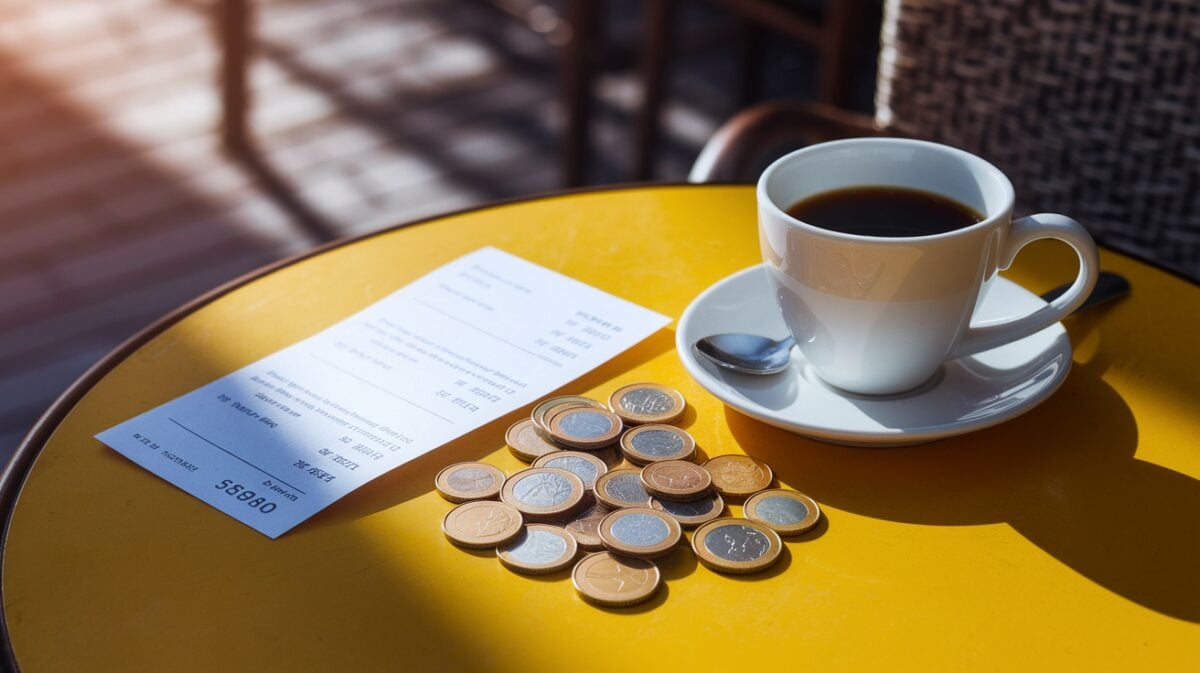
Tipping in Spain is voluntary. Leave nothing after a coffee or a quick taxi ride, and nobody’s chasing you down the street. For US travelers, this is one of the bigger adjustments. Back home, tipping feels baked into the bill, sometimes even a legal minimum for service workers. In Spain, it’s different. A tip is a thank you for good service, not part of how someone gets paid.
So you don’t need to run the math on every receipt or default to 20% out of habit. Let the situation guide you instead. How much personal attention did you get? Was this a fast counter order or a full sit-down meal? Did the service go beyond what’s routine? Here’s a quick-reference table to keep handy while you’re out and about.
| Service | Typical Tip | When to Tip | When No Tip Is Needed |
|---|---|---|---|
| Full-service restaurants | 5-10% | Good table service, attentive waitstaff | Rushed or indifferent service |
| Counter service and takeaway | None or small change | Rarely, as a nice gesture | Standard ordering and paying at a counter |
| Bars and cafes | None at the counter; €1-2 or ~5% with table service | When a server brings drinks to your table | Standing and ordering directly at the bar |
| Taxis | Round up or ~5% | Good service, luggage help, longer rides | Short, routine trips |
| Hotel porters | €1-2 per bag | Bags carried to your room | You handle your own luggage |
| Housekeeping | €1-3 per night | Left daily throughout the stay | Very short stays with no turndown service |
| Concierge | €5-10 for significant help | Hard-to-get reservations, tickets, special requests | Minor questions like directions |
| Tour guides | €2-5 per person (standard/half-day), €5-10 (longer tours), €10-20+ per day for private guides, up to €10-30 per person for higher service levels | Engaged, knowledgeable guiding | Self-guided audio tours or minimal interaction |
Think of these numbers as a starting point, not a bill you’re obligated to pay. Tipping customs shift a bit depending on venue and region, and we’ll get into those details shortly. For now, if you want to understand how service charges, VAT, cash, and card payments factor into what you actually owe, the next section breaks all of that down.
How Tipping in Spain Works with Bills, Cash, and Cards
(((alt-img2)))
Before you reach for your wallet, it helps to know what’s already baked into the price. Spain has three separate concepts that tourists often mix up: the optional tip, a service charge that’s sometimes already added to the bill, and VAT (value added tax, a sales tax applied to most goods and services). Confuse these, and you might tip twice without realizing it, or assume a charge is a tip when it’s actually tax.
When you get your check at a restaurant or sign for room service, look for the phrase “servicio incluido.” This means service is included, and the restaurant has already factored a gratuity into what you’re paying. You’re not expected to add more on top, though leaving a little extra for standout service is still fine and appreciated. Separately, you might see “IVA incluido,” which just means VAT is included in the listed prices. That’s tax, not a tip, and it tells you nothing about whether service has been covered.
Cash tends to be the more dependable way to tip in Spain. Hand cash directly to a server, porter, or guide, and you know it’s going straight to them. Card terminals are a different story. Many don’t have a built in option to add a gratuity, so if you’re planning to tip on a card, ask before the transaction finishes rather than trying to sort it out after the receipt prints. Carrying a mix of small coins and a €5 note solves most of these situations without any awkward fumbling.
Quick checklist before you pay:
- Review restaurant and room-service bills for “servicio” or “servicio incluido.”
- Treat “IVA incluido” as tax information, not proof of included gratuity.
- Confirm whether a gratuity can be added to the card before completing payment.
- Use cash if the terminal does not support tips.
- Keep small euro coins and a €5 note available.
- Hand cash directly to the worker or leave it visibly beside the bill.
Restaurant, Tapas Bar, and Café Tipping in Spain
(((alt-img3)))
The biggest factor in deciding what to tip at a restaurant or bar isn’t the type of food. It’s whether you ordered at a counter or got full table service. That one distinction shapes almost every tipping decision you’ll make while eating out in Spain. For details on service charges and how to read your bill before tipping, check the payment section above.
Counter Service, Takeaway, and Food Stalls
Ordering at a counter, picking up takeaway, grabbing street food, or standing at a tapas bar while you eat? No tip expected. This is standard practice across the country, and servers don’t anticipate anything extra for a quick transaction. Rounding up or dropping spare change into a jar is a nice gesture, but it’s entirely optional, not a social obligation.
Casual
Final Words
In restaurants, bars, taxis, hotels, and tours, tipping is voluntary in Spain. Leaving nothing isn’t normally offensive, and you don’t need to follow US 15–20% norms.
Let service quality, venue type, and how much personal help you received guide you: roughly 5–10% for full-service restaurants, none or small change at counters, rounding or about 5% for taxis, €1–3 for housekeeping, and modest amounts for guides. Cash and small coins make tipping easier.
These are reference ranges, not rules. The tipping etiquette in Spain for tourists is modest and optional—so follow the cues, err on the side of simplicity, and enjoy your trip.
FAQ
Q: Is it normal not to tip in Spain?
A: It is normal not to tip in Spain. Tipping is voluntary and leaving nothing is not normally offensive; tip based on service quality, venue type, and personal assistance, not US 15–20% norms.
Q: How to grab a waiters attention in Spanish?
A: To grab a waiter’s attention in Spanish, say “Perdón” or “Disculpe,” make brief eye contact or a small raised hand, and wait for acknowledgement; avoid shouting or persistent waving.
Q: What happens in Spain between 2pm and 5pm?
A: Between 2pm and 5pm many places pause for a long midday break: shops may close, restaurants run extended lunch service, and some local services slow—tourist areas and major restaurants often remain open.
Q: Are you supposed to leave a tip for hotel housekeeping?
A: You are not supposed to leave a tip for hotel housekeeping as a rule. Typical guidance is €1–3 per night left daily; €5 or more may be given for exceptional or luxury-level service.