Gear and Kits
Antarctica Cold Weather Gear: Smart Polar Expedition Packing
By Marcus Webb
November 24, 2026
Field Notes
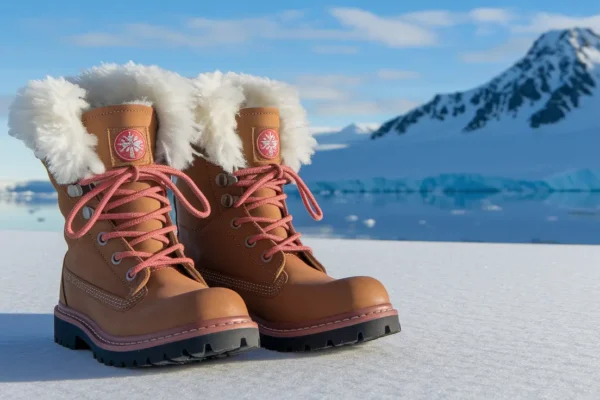
Would you trust a lightweight jacket in −40°C wind?
Antarctica doesn’t give second chances for gear choices.
Temperatures commonly range from about −20°C to as low as −60°C with windchill, while coastal summer trips sit nearer −10°C to +5°C.
This guide cuts through specs and hype to show what to pack, why each layer matters, and the key trade-offs: fit and dryness over shaving grams, plus redundancy for anything that keeps you warm or connected.
Read on for clear, practical packing rules.
Essential Cold Weather Gear For An Antarctica Polar Expedition
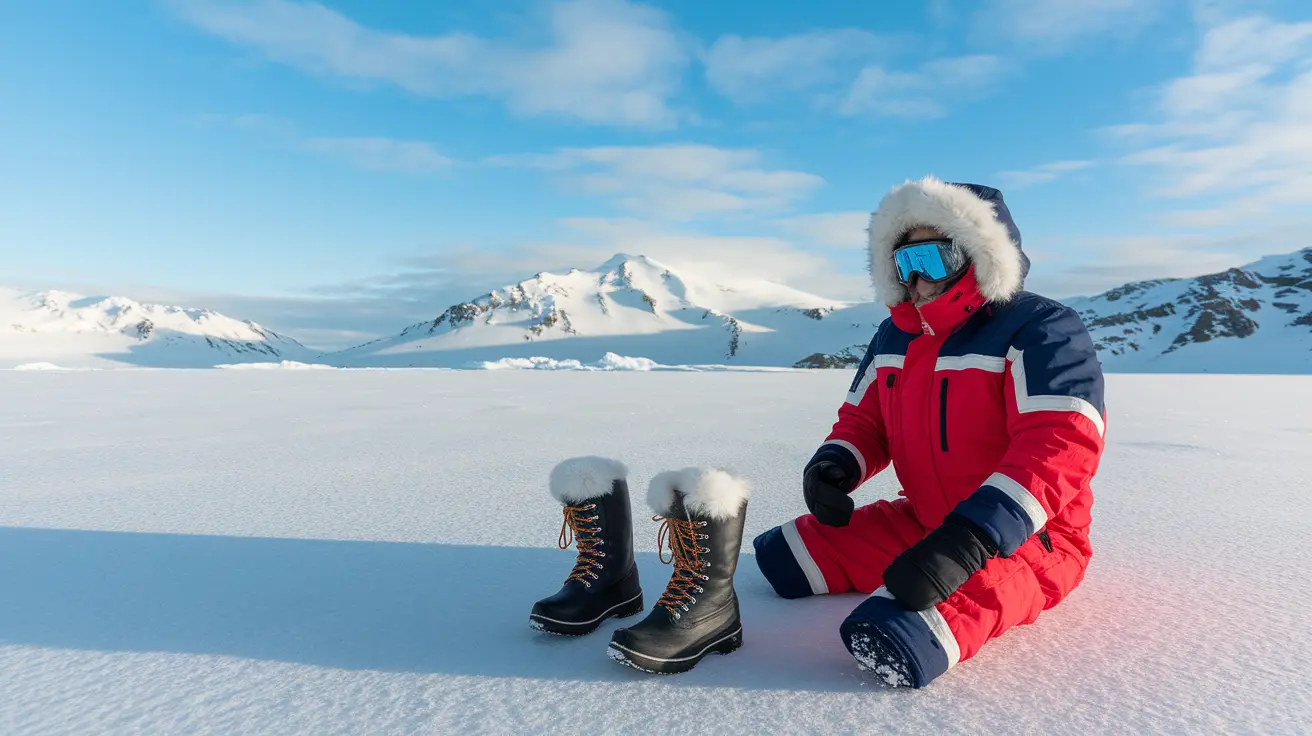
Antarctica doesn’t give second chances on gear choices. Temperatures run from around -20°C down to -60°C once windchill gets involved, and the swing between a calm morning and a gusty afternoon on deck can be dramatic. Coastal summer trips (November through March) typically sit in a milder -10°C to +5°C range, but inland travel or anything tipping into winter conditions can plunge toward that -60°C extreme. The planning principle stays the same no matter the season: layer deliberately, and build in redundancy for anything that keeps you warm or connected.
Fit and dryness matter more than shaving grams off your pack. A slightly heavier parka that fits well and stays dry will outperform an ultralight one that lets in drafts or soaks through. Wet or poorly fitted gear is the single biggest cause of cold injury on polar trips, more so than any single piece of equipment being “not warm enough” on paper.
Here’s the full system at a glance, broken down category by category in the sections ahead.
- Base layers (2 to 3 sets, merino or synthetic)
- Mid layers (2 to 3 pieces, fleece plus heavier insulation)
- Insulated expedition parka (700 to 900 fill power down or synthetic equivalent)
- Waterproof, breathable shell jacket and overpants
- Double boot system rated to -40°C or colder
- Glove and mitt layering system
- Balaclava, neck gaiter, and face protection
- Goggles and glacier sunglasses
- Electronics and power management gear
- Safety and communication devices (PLB, satellite messenger)
Each of these categories comes with its own specifications, quantities, and trade-offs. Getting them right matters a lot more in Antarctica than on a typical cold weather trip. The rest of this guide walks through the numbers: fill power, fabric weights, boot ratings, and the quantities worth packing so nothing critical runs out mid-trip.
Building A Polar Expedition Layering System
(((alt-img2)))
Layering beats a single heavy coat because your activity level on an Antarctic trip swings constantly. One hour you’re standing still on deck watching for whales, the next you’re hiking over uneven terrain to a penguin colony. A three tier system, base, mid, and outer, lets you add or shed warmth without ever exposing skin to that air.
Base Layers: Merino Wool Versus Synthetic
Base layers sit against skin and do the real work of moisture management. Look for weights between 150 and 260 g/m², with lighter weights for active days and heavier weights for stationary cold. Merino wool insulates even when damp and resists odor over multiple wears, which matters when laundry access is limited aboard ship. Synthetic base layers dry faster and cost less. Either way, expect to pay $50 to $150 per piece.
Cotton has no place in this system. It holds moisture against skin and loses insulating value when wet, which is exactly the failure mode you’re trying to avoid in sub-zero conditions.
Mid Layers: Fleece And Light Insulation
Mid layers bridge the gap between moisture management and serious insulation. A lightweight fleece in the 100 to 200 g or 200 to 300 g/m² range handles most active movement, while one heavier insulated piece, rated roughly -10°C to -20°C on its own, covers colder standing around moments. Midlayer pieces typically run $80 to $300 each.
Pack 2 to 3 complete sets of base and mid layers. That gives you a dry set to change into after a wet landing and buys drying time for the rest, since a ship cabin or expedition tent doesn’t dry gear quickly.
Insulated Parkas And Outer Shells For Antarctic Cold
(((alt-img3)))
The parka is the single most important item in an Antarctic kit. It’s the piece standing between you and genuinely dangerous cold once you’re off the ship and into wind, so it’s worth spending real budget here rather than cutting corners.
Down and synthetic insulation each have a role. Down offers the best warmth to weight ratio, and fill power of 700 to 900 (with 800 to 900 FP delivering the best performance per gram) is the benchmark for expedition grade parkas. Fill weight should run 300 to 800 grams depending on how cold your specific itinerary gets. The catch: down loses much of its insulating loft when wet. Synthetic fills like PrimaLoft Gold or Climashield weigh a bit more for the same warmth but keep insulating even when damp, which makes them a reasonable choice for wetter coastal landings or if you expect frequent spray and rain.
When shopping for a parka, check:
- Fill power and fill weight, matched to your trip’s expected low temperatures
- Comfort rating of at least -30°C, with use rating to -40°C or -60°C for serious fieldwork
- Outer shell waterproofing and wind resistance
- Hood design, ideally with a fur or faux fur ruff that blocks wind from the face
- Cuff and hem seals that keep drafts from sneaking in at the wrists and waist
A separate waterproof shell jacket handles active movement in rain or wet snow, worn without the bulky parka underneath. Look for Gore Tex Pro or an equivalent 3 layer fabric, waterproof rating of at least 20,000 mm, and breathability of at least 20,000 g/m²/24h, with a durable water repellent (DWR) finish. Budget $600 to $1,500 or more for a down parka, $300 to $900 for synthetic, and $300 to $700 for the shell jacket. Wear the shell for hiking and zodiac transfers, and switch to the parka when you’re standing still in serious cold.
Insulated Pants, Bibs, And Overpants For Antarctica
(((alt-img4)))
Pants cause more confusion than almost any other item on an Antarctic packing list, mostly because insulated pants and waterproof overpants solve two different problems. Insulated bibs or pants, built from synthetic fill or down with reinforced cuffs, are for camp time and sundown standing around when you need serious warmth and aren’t moving much. A separate shell pant handles
Final Words
Plan for -20°C to -60°C with windchill, with coastal summer closer to -10°C to +5°C. Layering plus redundancy is the core principle: multiple base and mid layers, a high-fill parka, and spare boots, gloves, and batteries.
The guide summarizes a full system: base layers, mid layers, insulated parka, waterproof shell jacket and pants, insulated pants or bibs, a double-boot system, glove/mitt combos, face protection, eyewear, electronics and safety/comms.
Use this checklist to decide what to pack for a polar expedition antarctica cold weather gear. Prioritize fit and dryness over lightness. Do that and the trip stays safer and more comfortable.
FAQ
Q: What temperature range should I prepare for on an Antarctic expedition and what’s the key packing principle?
A: The temperature range to prepare for is roughly −20°C to −60°C with windchill; pack using a layering system plus redundancy so wet or damaged items can be swapped quickly.
Q: What are the essential items to pack for an Antarctic polar expedition?
A: The essential items to pack are: 2–3 base layer sets, 2–3 mid layers, insulated parka, waterproof shell jacket and pants, insulated boots (double-boot system), glove/mitt system, face protection, eyewear, spare power, and safety/comm gear.
Q: How many base and mid layers should I bring, and what materials work best?
A: Bring 2–3 base layer sets and 2–3 mid layers; choose merino or synthetic bases (150–260 g/m²) and combine lightweight fleece with one heavier insulated mid layer rated for roughly −10°C to −20°C.
Q: Merino versus synthetic base layers—which should I choose?
A: Merino resists odor and still insulates when damp; synthetic dries faster and usually costs less—both beat cotton, which should be avoided because it retains moisture.
Q: What specifications should I look for in an insulated parka?
A: Look for an insulated parka comfort-rated to at least −30°C, down fill power 700–900+, appropriate fill weight (roughly 300–800 g for cold targets), a protective hood with fur ruff, and sealed cuffs and hem.
Q: How do I decide between down and synthetic insulation for a parka?
A: Down gives the best warmth-to-weight in dry conditions; synthetic insulation (PrimaLoft, Climashield) keeps insulating when wet and usually costs less—pick based on expected moisture exposure.
Q: What waterproof/breathable shell specs are necessary for Antarctic outerwear?
A: Choose a 3-layer shell (Gore-Tex Pro or equivalent) with ≥20,000 mm waterproof rating and ≥20,000 g/m²/24h breathability, plus a durable water-repellent (DWR) finish for outer protection.
Q: What should I know about insulated pants, bibs, and overpants?
A: Insulated bibs/pants are for camp and cold rest periods; carry 1–2 insulated pairs plus a separate waterproof, windproof shell pant with reinforced knees, full side zips, and an articulated fit for crampons.
Q: What boot system is recommended for Antarctic conditions?
A: Use a double-boot system: an insulated inner boot plus a waterproof outer boot rated −40°C to −60°C, roomy for socks, crampon-compatible soles, and prioritize dryness and correct fit over minimal weight.
Q: How should I protect my hands and face to prevent frostbite?
A: Protect hands and face with a layered glove/mitt system (liner gloves, insulated mitts, waterproof shells), a balaclava and neck gaiter, plus goggles and sunglasses for wind, spray, and snow glare.
Q: How important are fit and dryness for preventing cold injury?
A: Fit and dryness are critical—poor fit or wet gear is the leading cause of cold injury; size layers and boots for insulation, manage ventilation, and carry spares for rotation and drying.
Q: What safety and communication devices should I pack for polar travel?
A: Pack a satellite phone or personal locator beacon (PLB), GPS, spare batteries in insulated pouches, and confirm vessel or guide requirements for emergency radios and locator equipment.