Gear and Kits
What to Pack for a Ski Trip to the Alps: Essential Checklist
By Yael Dufresne
November 23, 2026
Field Notes
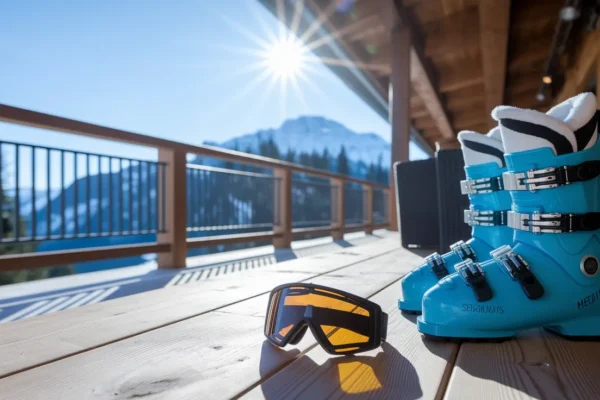
Packing wrong can ruin an Alps ski trip; bringing bulky gear you never use is one of the easiest ways to waste money and energy.
This guide gives a single, scan-friendly checklist covering skis and boots, layered clothing, cold-weather extras, après-ski items, documents, and electronics.
It lays out the four choices that change what to bring: trip length, laundry access, renting vs bringing gear, and whether you’ll stick to marked pistes or go off-piste.
Use the three-day and seven-day tables for exact counts, and follow the trade-offs so you pack for comfort, warmth, and fewer surprises.
The Essential Alps Ski Trip Packing Checklist
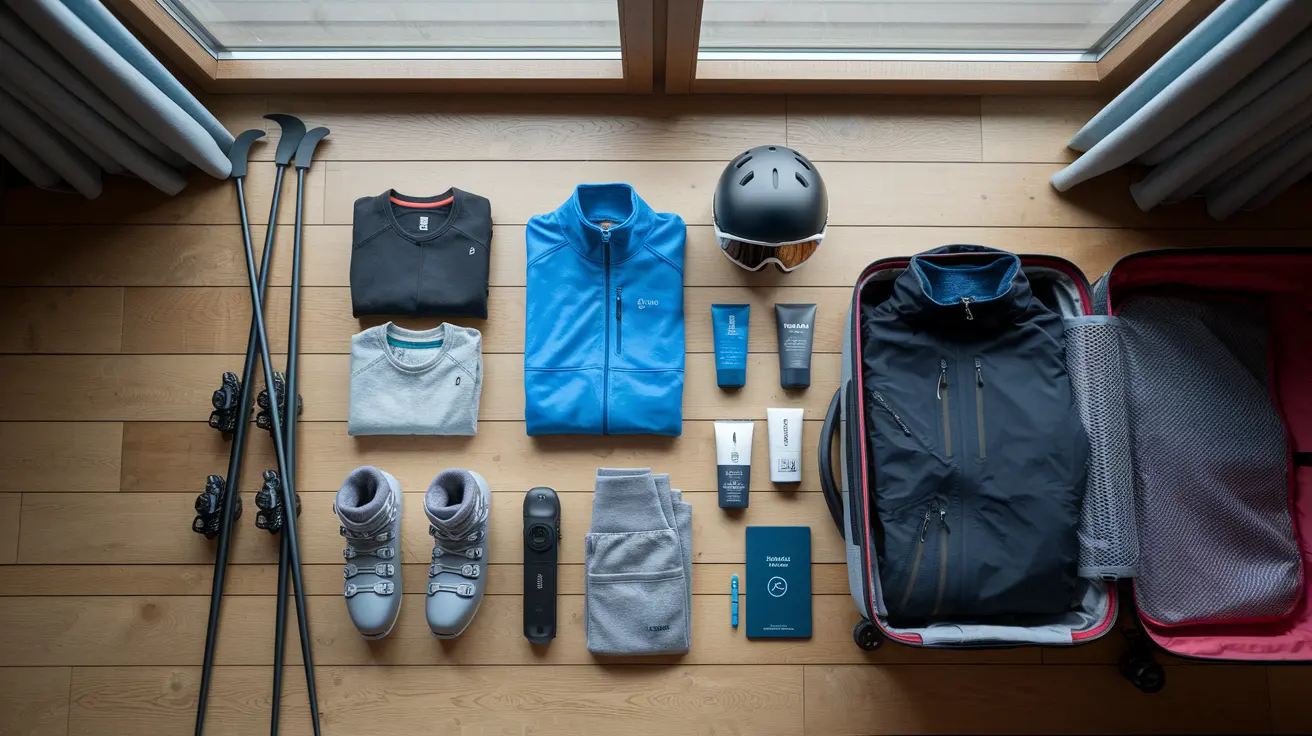
How much you pack comes down to four things: how long you’re going, whether your hotel or chalet has a washing machine, whether you’re renting skis and boots or bringing your own, and whether you plan to stick to marked pistes or wander further afield. A long weekend with laundry access needs far less than a week with none. Instead of guessing at exact numbers here, this checklist gives you the full inventory. The three-day and seven-day table further down gives you the precise counts for each.
Think of this as the master list. Every other section in this guide expands on one part of it, but this is the one place you’ll find everything in a single scan.
Ski equipment
- Skis or snowboard with bindings, poles for skiers (rent or bring, essential)
- Ski or snowboard boots (rent or bring, essential)
- Helmet (essential)
- Goggles with at least one lens (essential)
- Ski/boot bag for transport (conditional, if bringing own gear)
Layered clothing
- Moisture-wicking base layer tops and bottoms (essential)
- Fleece or insulated mid-layer (essential)
- Waterproof, breathable shell jacket (essential)
- Waterproof ski pants (essential)
- Packable down or synthetic puffer (conditional, cold-weather trips)
Cold-weather accessories
- Ski socks, merino or technical (essential)
- Insulated waterproof gloves or mittens (essential)
- Thin glove liners (essential)
- Neck gaiter or buff (essential)
- Thin balaclava (conditional, high-wind or very cold days)
- Beanie or hat (essential)
- Hand warmers (optional)
Après-ski clothing
- Casual evening outfits (essential)
- Insulated waterproof winter boots (essential)
- Indoor or casual shoes (optional)
- Swimwear (conditional, if spa or pool available)
Toiletries and health
- Prescription medications (essential)
- Basic first-aid kit (essential)
- SPF 50+ sunscreen (essential)
- SPF 30+ lip balm (essential)
- Moisturiser and hand cream (optional)
Documents and money
- Passport or ID (essential)
- Winter-sports travel insurance documents (essential)
- Lift pass or rental vouchers (essential)
- Cash in euros and a backup card (essential)
Electronics
- Phone and charging cable (essential)
- Power bank, 10,000 to 20,000 mAh (essential)
- European plug adapter (essential)
Conditional off-piste equipment
- Avalanche transceiver, probe, and shovel (conditional, required for off-piste travel, see the skill-level section for full guidance)
Skis, boots, and poles can all be rented at the resort, so don’t feel pressured to own a full kit before your first trip. What you shouldn’t skip packing yourself are the things that depend on personal fit and comfort. Properly broken-in socks. Gloves you already know work for your hands. Goggles with a lens that suits your eyes. And your documents, which nobody else can supply for you.
For exact quantities matched to trip length, head to the three-day and seven-day table later in this guide. If you’re a beginner, advanced skier, or travelling with children, the skill-level section has adjustments and additions specific to your situation.
Alps Ski Clothing Essentials and the Three-Layer System
(((alt-img2)))
The Alps don’t do one weather all day. You might step off a cold chairlift at 2,800 m into biting wind, ski down into a sunny bowl that feels almost warm, duck into a packed mountain restaurant for lunch, then finish the afternoon in wet, heavy snow as temperatures drop again. The main season runs roughly November through April, with December through March bringing the heaviest snow and the busiest slopes. Alpine villages typically sit between 600 and 1,800 m, but the lifts carry you up to 2,000 to 3,500 m or higher. That altitude swing matters more than most first-time ski travellers expect.
Temperatures can run from around -15°C at altitude down to a relatively mild +5°C in the valley, and above 2,500 m, wind chill can drag the perceived temperature below -25°C. That’s not a typo. It’s exactly why a removable-layer system beats any single heavy coat. Add in the fact that UV exposure climbs with altitude, and the case for adaptable clothing, dependable waterproofing, steady hydration, and checking the forecast before you leave becomes pretty clear. For the sunscreen and lip protection side of UV exposure, see the health and electronics section further down. This part is about the clothing system itself.
Moisture-Wicking Base Layers
Cotton holds sweat against your skin, and on a mountain, damp cotton turns cold fast. Merino wool or synthetic base layers pull moisture away from your body instead, which keeps you warmer even when you’re working hard on a steep run. How many you’ll need depends entirely on trip length and laundry access, something the three-day and seven-day table below spells out exactly.
Fleece and Insulated Mid-Layers
Your mid-layer is the adjustable piece, the one you add or shed as the day changes. A fleece works for milder days or high-exertion skiing where you’re generating your own heat. A thin insulated pullover adds more warmth without much bulk. A packable down or synthetic puffer earns its space in the bag on genuinely cold days or for standing around at the lift queue. Exactly how many of these to bring scales with trip length and the weather you’re expecting, so skip ahead to the packing table for firm numbers.
Waterproof Ski Jacket and Pants
This is the layer doing the real work against snow, wind, and wet falls. Look for a waterproof rating in the 10,000 to 20,000 mm range, and breathability around 10,000 g/m²/24h or higher if you’re skiing hard or doing any ski touring, where sweat buildup becomes its own problem. Check that cuffs seal well, the hem has a snow skirt, and underarm vents exist for when you overheat on a climb or a sunny sl
Final Words
Pack with purpose: the article lays out a single comprehensive inventory, three- and seven-day counts, the three-layer clothing system, rental vs bring trade-offs, on-slope accessories, documents and electronics, family and skill-level tweaks, plus final pre-departure checks.
Do pack properly fitted base layers and either your boots or a clear rental plan, and confirm winter-sports insurance.
Avoid cotton next to the skin and underperforming waterproofs — those two mistakes cost comfort fast.
Use the what to pack for a ski trip to the alps checklist and trip-length tables to tailor quantities, check the forecast, and enjoy the slopes.
FAQ
Q: What are the 10 essentials for backcountry skiing?
A: The 10 essentials for backcountry skiing are an avalanche transceiver (beacon), probe, shovel, avalanche airbag pack, touring skis or splitboard with skins, helmet, navigation (map/GPS/compass), first-aid kit, insulating extra layers, and food and water.
Q: What is the 3-5-7 rule in packing?
A: The 3-5-7 rule in packing means scaling core clothing counts to trip length—short (3 days), medium (5 days), and week (7 days)—and adjusting those counts for laundry access, activity level, and multi-use layers.
Q: Is 3 days of skiing too much?
A: Three days of skiing is not too much; it’s a solid short trip to build confidence and practice technique, but factor in your fitness, travel time, daily pace, and recovery needs.
Q: What can I wear skiing if I don’t have snow pants?
A: If you don’t have snow pants, wear waterproof or rain-shell trousers or a durable softshell over base layers, add gaiters and sealed cuffs, avoid cotton, and pack an extra insulating layer.